Spot the leak
Look for the moment where a buyer wanted help but did not get a clear next step.
Intelligence briefings specifically focused on growth.
All 21 published briefings in this desk are linked below and remain available through the magazine index and sitemap.
The growth archive is built for owners who need a clearer answer before they buy software, hire another coordinator, or spend more on ads. Each briefing is meant to help you spot a real operating leak and decide what should be fixed first.
If a topic repeats across several posts, that is usually a signal. It means the same problem shows up in different businesses: slow response, poor intake, scattered follow-up, weak booking, or review systems that depend on memory.
Look for the moment where a buyer wanted help but did not get a clear next step.
Compare the article against your own call log, CRM notes, booking calendar, and review activity.
Do not try to automate everything at once. Start with the gap that costs the most real conversations.
Start with the article that matches the problem you can feel this week: missed calls, slow follow-up, weak booking, low review velocity, or a website that is not turning visitors into real conversations. The best article is the one that helps you make a better decision today.
Most service businesses lose money in small, ordinary moments. A call rings out. A form waits overnight. A quote is not followed up. A review request is forgotten. These briefings show where those leaks happen and how a front-door system closes them.
Look for plain evidence: call logs, form response time, booking rate, missed-call recovery, review growth, CRM notes, and whether the system makes life easier for staff. If a tool cannot connect to those facts, it is probably just another dashboard.
Book the appointment when the pattern is already obvious. If customers are waiting, staff are chasing, or good leads are going quiet, the next step is to measure the leak and decide which part of the front door should be fixed first.
Most service-business owners begin with a practical problem: more leads, a better website, missed calls, slow booking, weak follow-up, or reviews that have gone quiet. The growth collection helps connect that visible symptom to the operating work that must happen next.
The market is full of point solutions. A phone tool may promise 24/7 answering. A CRM may promise automation. A website agency may promise lead generation. A content tool may promise posts. A review tool may promise reputation growth. The owner still has to ask the hard question: who makes all of this work together inside the business?
Each article connects the issue to an operating outcome. If the topic is response speed, the outcome is a faster first reply and cleaner qualification. If the topic is booking, the outcome is an appointment that lands with context. If the topic is reviews, the outcome is proof that compounds after real work is done.
The best next step is to choose the smallest system that fixes the visible leak without trapping the owner in another disconnected subscription. For some businesses that is AI receptionist coverage. For others it is lead capture and follow-up, conversational AI, appointment booking, review requests, content support, or the complete AI Business Operating System.
A category page is useful only when it helps a business owner make a better decision. The growth archive is organized around practical front-door questions: where does demand arrive, where does it slow down, who owns the next step, and what evidence would prove that a system is working.
Read the articles as a pattern library. If several briefings point to slow response, missed calls, poor booking, weak proof, or scattered follow-up, treat that as a signal to inspect your own records. A call log, booking calendar, CRM note, web form timestamp, or Google Business Profile update is more useful than a vague feeling that the business is busy.
The strongest next step is usually narrow. Do not try to fix marketing, intake, reviews, and automation in one week. Pick the most visible leak first, measure the baseline, and decide which system removes the most friction for buyers and staff.
If you only have time for one action today, choose the article that matches the most recent lost opportunity and compare it against the record behind that moment.
Use these articles to decide which operating gap deserves attention before you spend more on ads, software, or admin hours.
Use the patterns to coach staff, define callback rules, review missed opportunities, and improve handoffs without adding noise.
Use the related articles, proof, industry examples, and calculators to compare the problem against your own business before choosing a fix.
The best owner does not read endlessly. They use the page to pick a test, run it inside the business, and compare what they expected against what actually happened.
Strong operators use the growth archive to find a repeatable business rule. They do not ask whether AI sounds exciting. They ask which rule would help staff answer faster, qualify better, book cleaner appointments, request reviews at the right moment, or keep owners out of routine follow-up work.
Weak operators read the same advice as inspiration and then go back to the same process. The leak stays alive because no one checks the records. The useful move is to compare every idea against actual call logs, form timestamps, booking notes, and client follow-up history.
If the archive makes the problem obvious, move to a calculator, industry page, or Systems Review. The goal is not more reading. The goal is to decide whether the business needs an AI Agent, an Automation System, a Smart Website, Business Software, or a Custom Business System.
You may have arrived from a search, a shared link, or another article. Start by naming the problem in plain language, compare the related examples, and choose the next step that best fits what is happening inside your business.
The owner guidance, operating checks, common questions, and related articles are here to help you decide whether the issue is worth acting on and what evidence to inspect first.
If the article grid feels too broad, start with the operational symptom. Missed calls point toward AI receptionist and missed-call recovery. Slow forms point toward smart website follow-up. Weak booking points toward appointment automation. Low trust points toward reviews, proof, and Google Business Profile work.
The archive should also make the brand easier to trust. The Quiet Protocol is not trying to win attention with abstract AI language. The point is to show a clear operating view: buyers want fast answers, staff need cleaner handoffs, owners need proof, and the business needs a front door that works even when the team is busy.
Use the page as a filter for priority. If a briefing helps you name a leak in one sentence, keep reading and compare the related posts. If it does not match your business, move to another category. The right content should make the next operational question easier, not leave the owner with more vague ideas.
If only a few articles match this category, use them to understand the buying situation, then follow the related calculators, industry pages, proof, and operating guides. The practical next action may be an AI Agent, an Automation System, a Smart Website, Business Software, or a Custom Business System.
How to evaluate a service-business website as a trust, search, intake, booking, measurement, and follow-up system instead of judging the project by pages or appearance alone.

A multi-service website should help each buyer recognize the right problem, understand adjacent offers, inspect relevant proof, and reach an intake path designed for that decision.

The meaningful price difference is not the number of pages. It is the research, positioning, proof, decision architecture, intake, and operating connection behind them.

Choose the scope by the number of buyer decisions, services, proof requirements, and authority questions the site must handle.

The strongest website does not perform a separate trick for people and AI systems. It makes the business easier to understand, verify, and choose.

A polished design is useful. The harder question is whether the site helps the right buyer trust, understand, and choose the business.
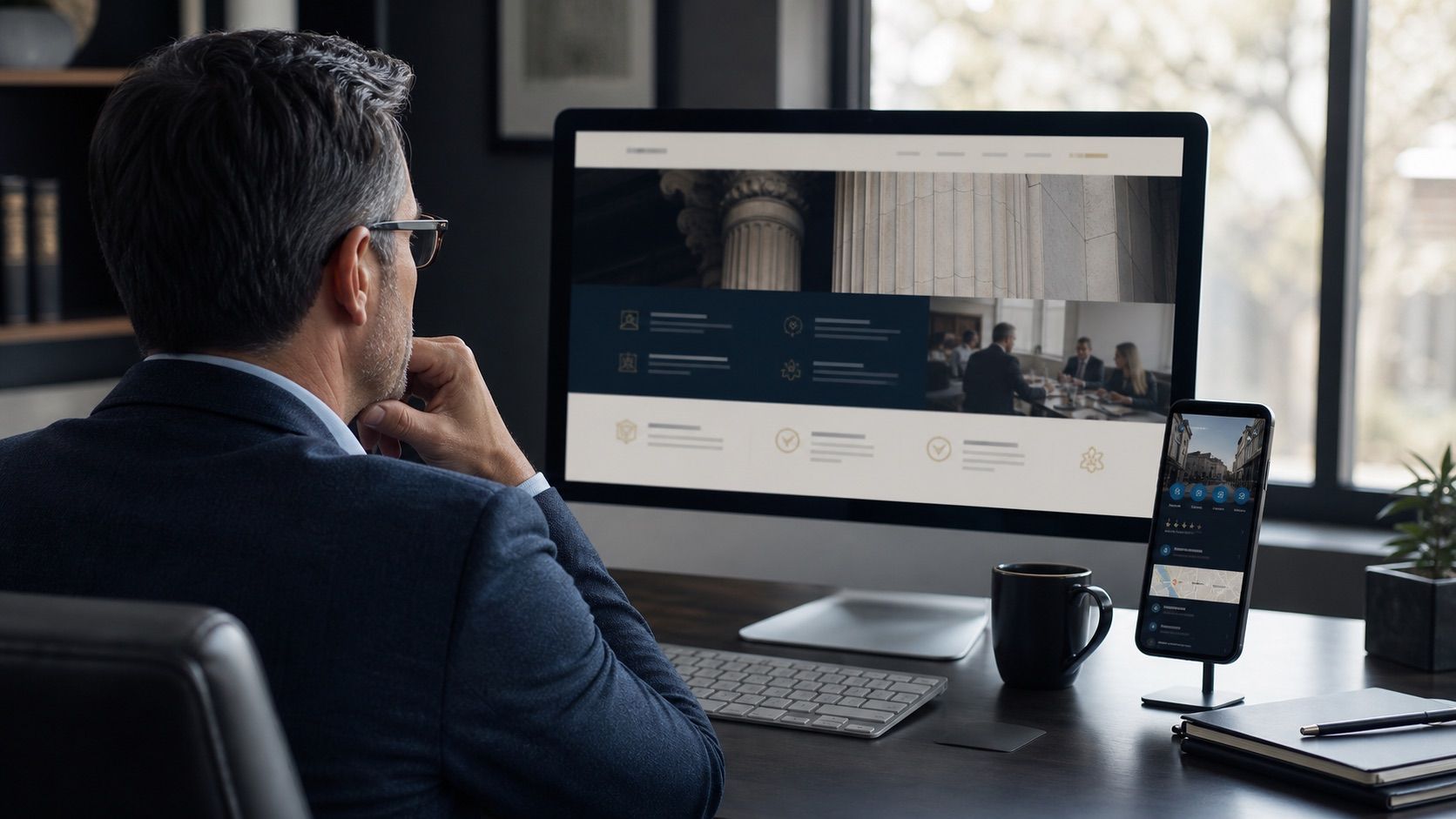
A CPA-specific guide to building a website that supports client due diligence, professional credibility, secure intake, and clearer retrieval by search and answer systems.

A practical explanation of how cleaner customer records, reviewed conversations, accountable follow-up, and measured operating changes can compound over time.

How commercial cleaning companies can close more walkthroughs and bids with faster follow-up, cleaner CRM notes, proof, and renewal-ready communication.

Use real lead volume, booked jobs, average value, CRM notes, and conversion lift to calculate what a 10-point improvement is worth.

A practical CAC, LTV, call conversion, and review-driven ROI guide for owners who need to know whether marketing is really working.

Why an unconverted lead costs more than one missed job, and how calls, follow-up, referrals, reviews, and lifetime value change the math.

Build a clear path from site measure and product choice through estimate decisions, deposit, scheduling, and installation handoff.

A practical cadence, message guide, stop rule, and measurement system for painting contractors who want fewer estimates to disappear in the inbox.

A field-to-office workflow for customer introductions, consent, attribution, follow-up, and technician rewards without pressuring homeowners.

Read your call log like an operations report: missed calls, booking outcomes, peak demand, after-hours leaks, and CRM follow-up gaps.

How service businesses turn technician observations into ethical upsells, referral prompts, CRM tasks, and review-safe customer follow-up.

In a recession, service businesses that survive share one characteristic. It's not the lowest price or the biggest brand.
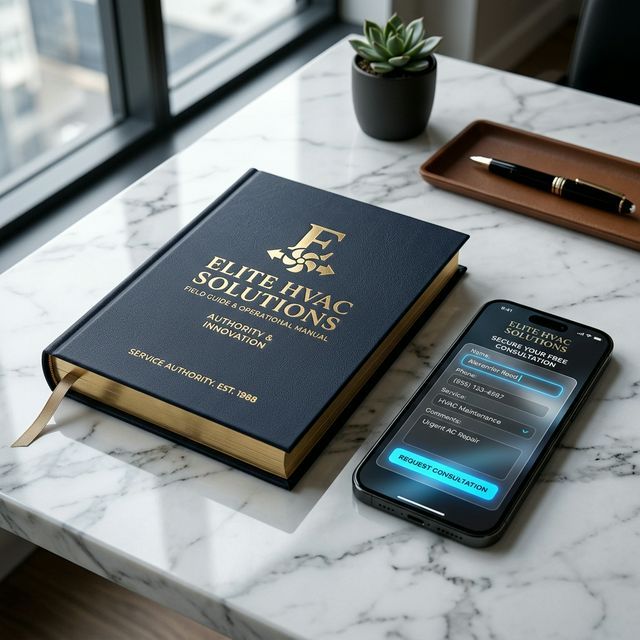
Free quote forms often fail because buyers need diagnosis before pricing. Learn how service businesses can create better lead magnets that qualify intent.

How personal injury firms lose cases through slow intake, and where AI receptionist coverage, call scripts, CRM notes, and attorney handoff help.

How HVAC teams can review dormant contacts, consent, service history, unresolved estimates, seasonal relevance, ownership, opt-outs, and measured reactivation outcomes.