Spot the leak
Look for the moment where a buyer wanted help but did not get a clear next step.
Intelligence briefings specifically focused on operations.
All 243 published briefings in this desk are linked below and remain available through the magazine index and sitemap.
The operations archive is built for owners who need a clearer answer before they buy software, hire another coordinator, or spend more on ads. Each briefing is meant to help you spot a real operating leak and decide what should be fixed first.
If a topic repeats across several posts, that is usually a signal. It means the same problem shows up in different businesses: slow response, poor intake, scattered follow-up, weak booking, or review systems that depend on memory.
Look for the moment where a buyer wanted help but did not get a clear next step.
Compare the article against your own call log, CRM notes, booking calendar, and review activity.
Do not try to automate everything at once. Start with the gap that costs the most real conversations.
Start with the article that matches the problem you can feel this week: missed calls, slow follow-up, weak booking, low review velocity, or a website that is not turning visitors into real conversations. The best article is the one that helps you make a better decision today.
Most service businesses lose money in small, ordinary moments. A call rings out. A form waits overnight. A quote is not followed up. A review request is forgotten. These briefings show where those leaks happen and how a front-door system closes them.
Look for plain evidence: call logs, form response time, booking rate, missed-call recovery, review growth, CRM notes, and whether the system makes life easier for staff. If a tool cannot connect to those facts, it is probably just another dashboard.
Book the appointment when the pattern is already obvious. If customers are waiting, staff are chasing, or good leads are going quiet, the next step is to measure the leak and decide which part of the front door should be fixed first.
Most service-business owners begin with a practical problem: more leads, a better website, missed calls, slow booking, weak follow-up, or reviews that have gone quiet. The operations collection helps connect that visible symptom to the operating work that must happen next.
The market is full of point solutions. A phone tool may promise 24/7 answering. A CRM may promise automation. A website agency may promise lead generation. A content tool may promise posts. A review tool may promise reputation growth. The owner still has to ask the hard question: who makes all of this work together inside the business?
Each article connects the issue to an operating outcome. If the topic is response speed, the outcome is a faster first reply and cleaner qualification. If the topic is booking, the outcome is an appointment that lands with context. If the topic is reviews, the outcome is proof that compounds after real work is done.
The best next step is to choose the smallest system that fixes the visible leak without trapping the owner in another disconnected subscription. For some businesses that is AI receptionist coverage. For others it is lead capture and follow-up, conversational AI, appointment booking, review requests, content support, or the complete AI Business Operating System.
A category page is useful only when it helps a business owner make a better decision. The operations archive is organized around practical front-door questions: where does demand arrive, where does it slow down, who owns the next step, and what evidence would prove that a system is working.
Read the articles as a pattern library. If several briefings point to slow response, missed calls, poor booking, weak proof, or scattered follow-up, treat that as a signal to inspect your own records. A call log, booking calendar, CRM note, web form timestamp, or Google Business Profile update is more useful than a vague feeling that the business is busy.
The strongest next step is usually narrow. Do not try to fix marketing, intake, reviews, and automation in one week. Pick the most visible leak first, measure the baseline, and decide which system removes the most friction for buyers and staff.
If you only have time for one action today, choose the article that matches the most recent lost opportunity and compare it against the record behind that moment.
Use these articles to decide which operating gap deserves attention before you spend more on ads, software, or admin hours.
Use the patterns to coach staff, define callback rules, review missed opportunities, and improve handoffs without adding noise.
Use the related articles, proof, industry examples, and calculators to compare the problem against your own business before choosing a fix.
The best owner does not read endlessly. They use the page to pick a test, run it inside the business, and compare what they expected against what actually happened.
Strong operators use the operations archive to find a repeatable business rule. They do not ask whether AI sounds exciting. They ask which rule would help staff answer faster, qualify better, book cleaner appointments, request reviews at the right moment, or keep owners out of routine follow-up work.
Weak operators read the same advice as inspiration and then go back to the same process. The leak stays alive because no one checks the records. The useful move is to compare every idea against actual call logs, form timestamps, booking notes, and client follow-up history.
If the archive makes the problem obvious, move to a calculator, industry page, or Systems Review. The goal is not more reading. The goal is to decide whether the business needs an AI Agent, an Automation System, a Smart Website, Business Software, or a Custom Business System.
You may have arrived from a search, a shared link, or another article. Start by naming the problem in plain language, compare the related examples, and choose the next step that best fits what is happening inside your business.
The owner guidance, operating checks, common questions, and related articles are here to help you decide whether the issue is worth acting on and what evidence to inspect first.
If the article grid feels too broad, start with the operational symptom. Missed calls point toward AI receptionist and missed-call recovery. Slow forms point toward smart website follow-up. Weak booking points toward appointment automation. Low trust points toward reviews, proof, and Google Business Profile work.
The archive should also make the brand easier to trust. The Quiet Protocol is not trying to win attention with abstract AI language. The point is to show a clear operating view: buyers want fast answers, staff need cleaner handoffs, owners need proof, and the business needs a front door that works even when the team is busy.
Use the page as a filter for priority. If a briefing helps you name a leak in one sentence, keep reading and compare the related posts. If it does not match your business, move to another category. The right content should make the next operational question easier, not leave the owner with more vague ideas.
If only a few articles match this category, use them to understand the buying situation, then follow the related calculators, industry pages, proof, and operating guides. The practical next action may be an AI Agent, an Automation System, a Smart Website, Business Software, or a Custom Business System.
A buyer-focused guide to scope, knowledge, routing, booking, consent, human escalation, testing, and measurement before an AI receptionist handles live customer calls.
A practical guide for accounting and tax firms that need cleaner prospect qualification, document requests, ownership, scheduling, and follow-up without weakening professional boundaries.

Lead counts show that attention arrived. Intake metrics show whether the firm responded usefully, recognized fit, protected professional time, and completed the next step.

Marketing can create the inquiry and still lose the opportunity if context, ownership, response expectations, and the promised next step do not reach the operating team.

The useful question is not whether AI can answer a call. It is which customer job the agent can own reliably, where it must stop, and how a person takes control.

A practical guide to protecting month-end focus while giving clients and prospective clients a useful acknowledgement, clear owner, and truthful next step.

A practical guide to turning a signed engagement into a clear first month with visible ownership, access, information requests, exceptions, and client expectations.

A practical guide to qualifying prospective clients, protecting professional judgment, and giving every viable inquiry a clear, accountable next step.

A practical operating guide for requesting sensitive records, confirming receipt, finding missing information, and keeping reminder ownership visible.
Restoration Company field guide: Mold Remediation Companies Are Losing Jobs Because Their Intake Doesn't reviewed through response speed, booking friction

Service Business field guide: Your Team Doesn't Want the AI. Here's What to Do About It. reviewed through response speed, booking friction, CRM handoff
Law Firm field guide: Every State Has Different Call Recording Laws. Here's What Service Business reviewed through response speed, booking friction, CRM

Turn your own call records into a decision-ready report for response, booking, staffing, follow-up, and customer handoffs.

A practical handoff playbook for turning owner judgment into clear intake rules, decision rights, escalation paths, and measurable customer care.

A better benchmarking method for service-business owners using call logs, conversion rate, booking speed, reviews, and best-month data.

Track estimate acceptance rate, follow-up timing, objections, CRM stages, and lost-job reasons before buying more service-business leads.

A practical guide to the minimum useful record, safer question design, human handoffs, and clean customer context for service businesses.

Test whether calls, booking, follow-up, scheduling, exceptions, and decision rights can operate for one predictable day without the owner.

Why owners delay fixing missed calls and broken follow-up, plus a practical way to start with one service-business automation leak.
Why owner identity can block AI receptionist, CRM, booking, and follow-up improvements, and how to automate without losing trust.

The Sunday-night cost of missed calls, open loops, weak CRM ownership, and follow-up gaps, plus the systems that make work stop following you home.

Find whether duplicate entry, missing ownership, weak status rules, or poor handoffs are slowing intake and follow-up before you replace the CRM.

A practical guide for veterinary practices that need a clear, professionally governed path for after-hours calls, emergency referrals, next-day requests, records, and follow-up.

Most service business owners overestimate what their business is worth by 30-50%. Here's why, and what to do about it.
Why technicians leave disorganized offices, and how cleaner intake, scheduling, customer communication, and CRM ownership protect retention.
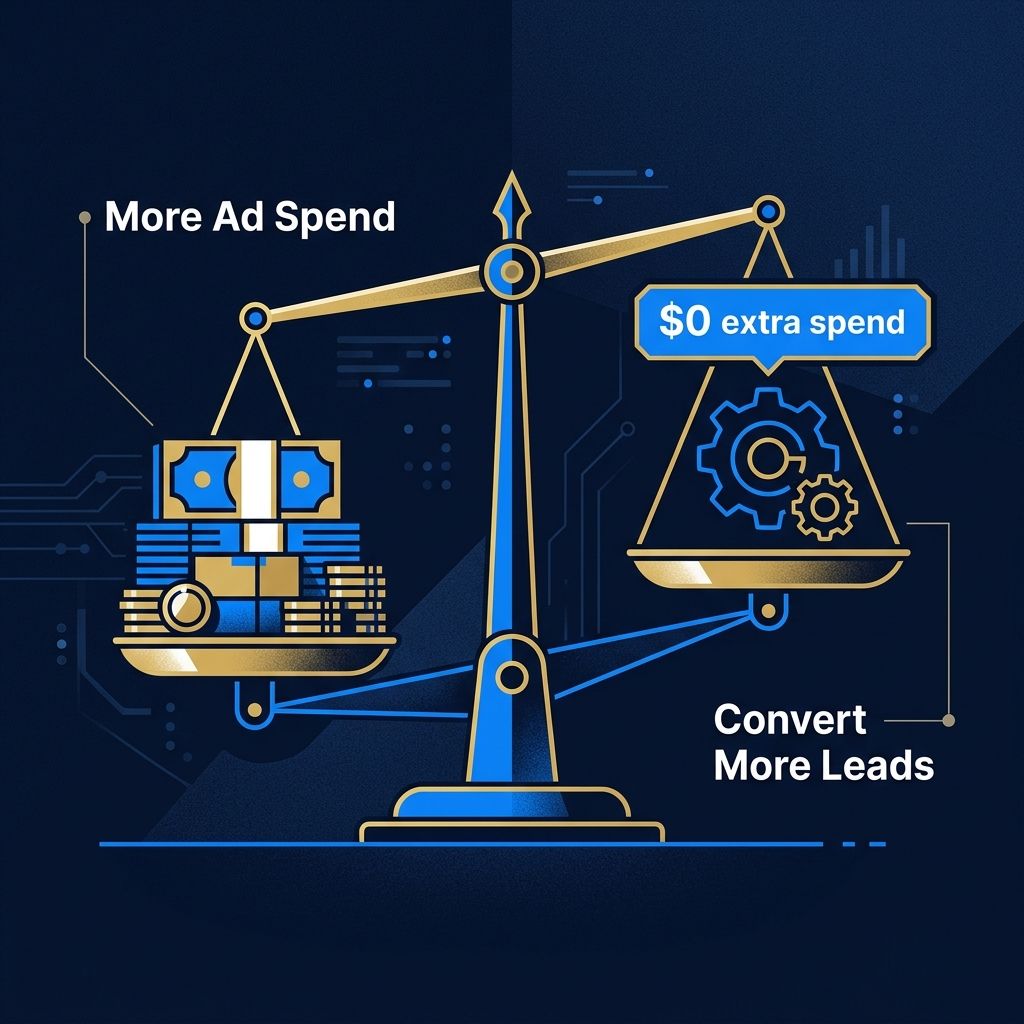
If you're converting 35% of leads and want 30% growth, you can buy more leads or fix where the other 65% goes. One costs money. The other makes money.

Vikram Roy has audited both. The gap between a $2M and $5M service business isn't ad spend or technician quality. It's one structural difference: systems vs. the owner's presence.
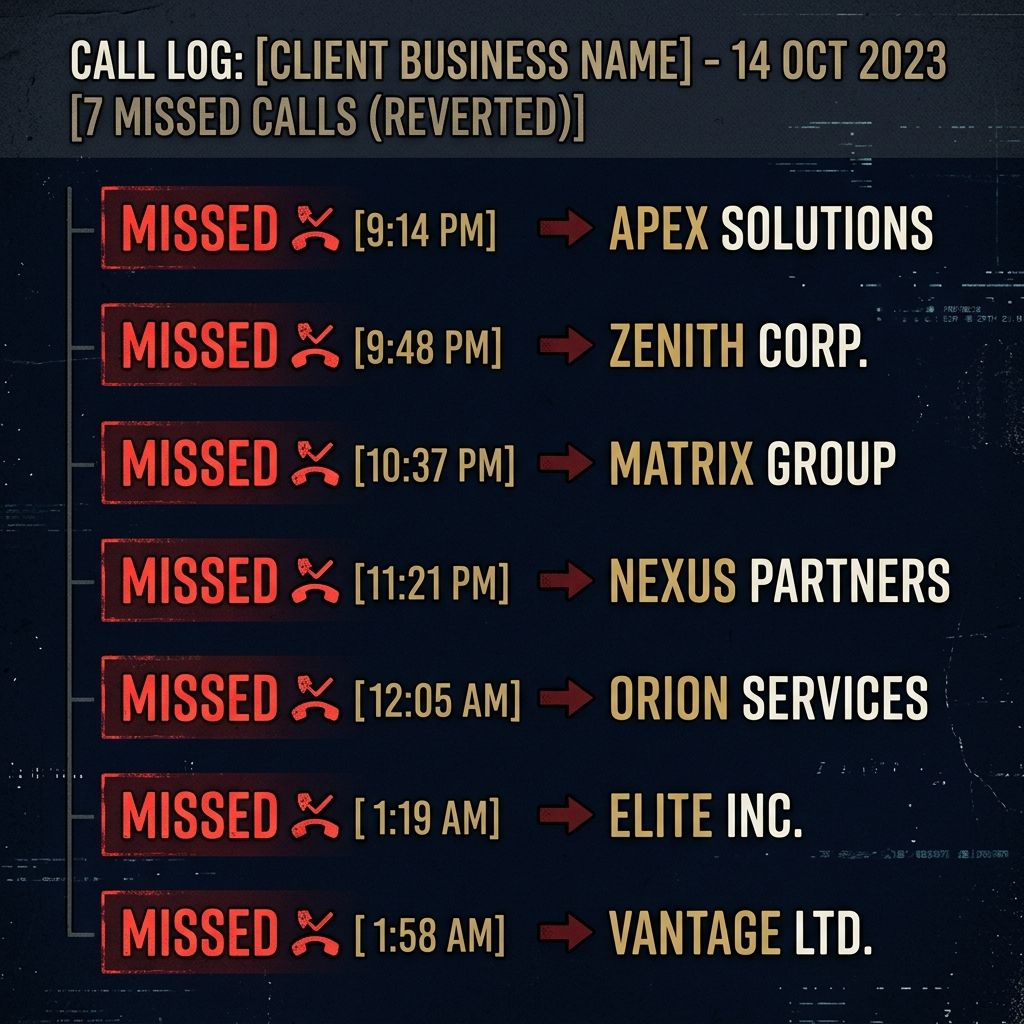
A service-business guide to missed after-hours calls, AI receptionist coverage, booking authority, urgent routing, and competitor lead capture.
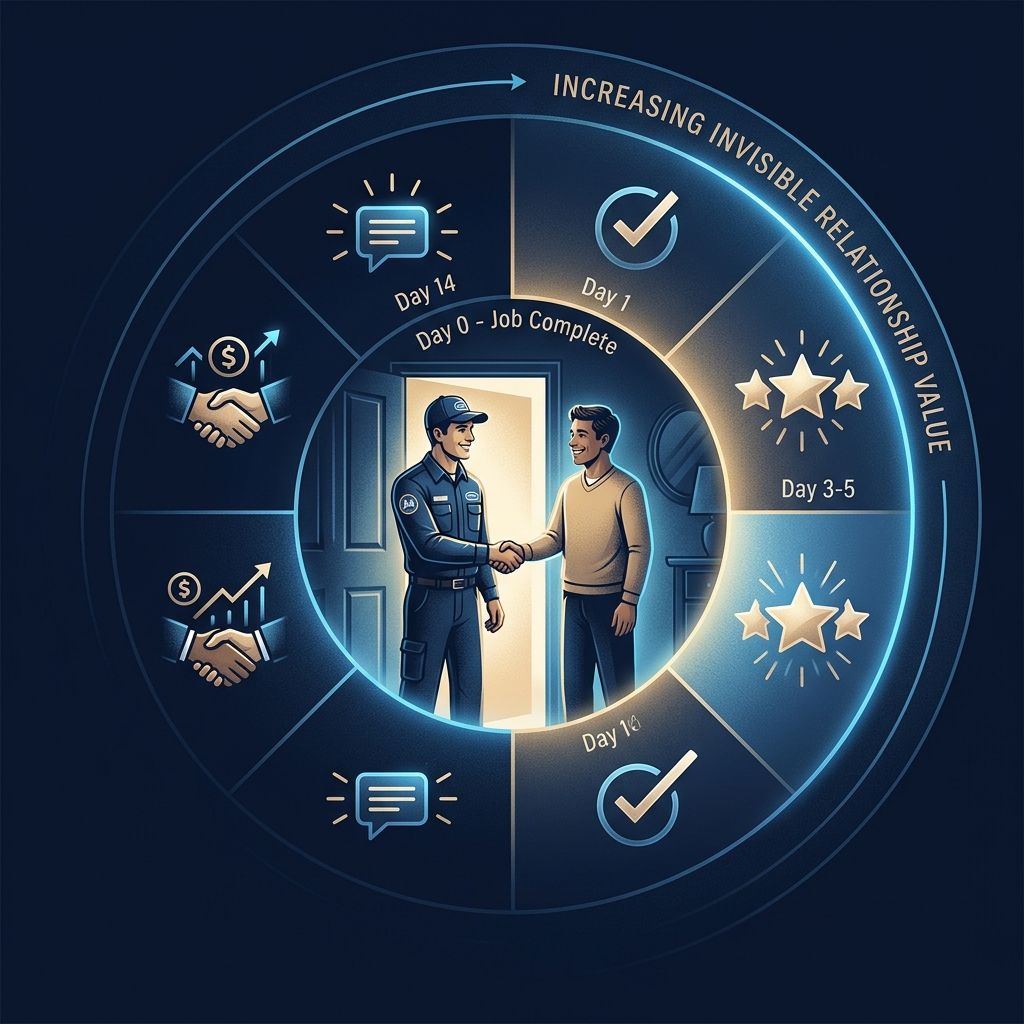
What should happen after the job: review requests, referral prompts, warranty check-ins, CRM tasks, reactivation timing, and customer retention.
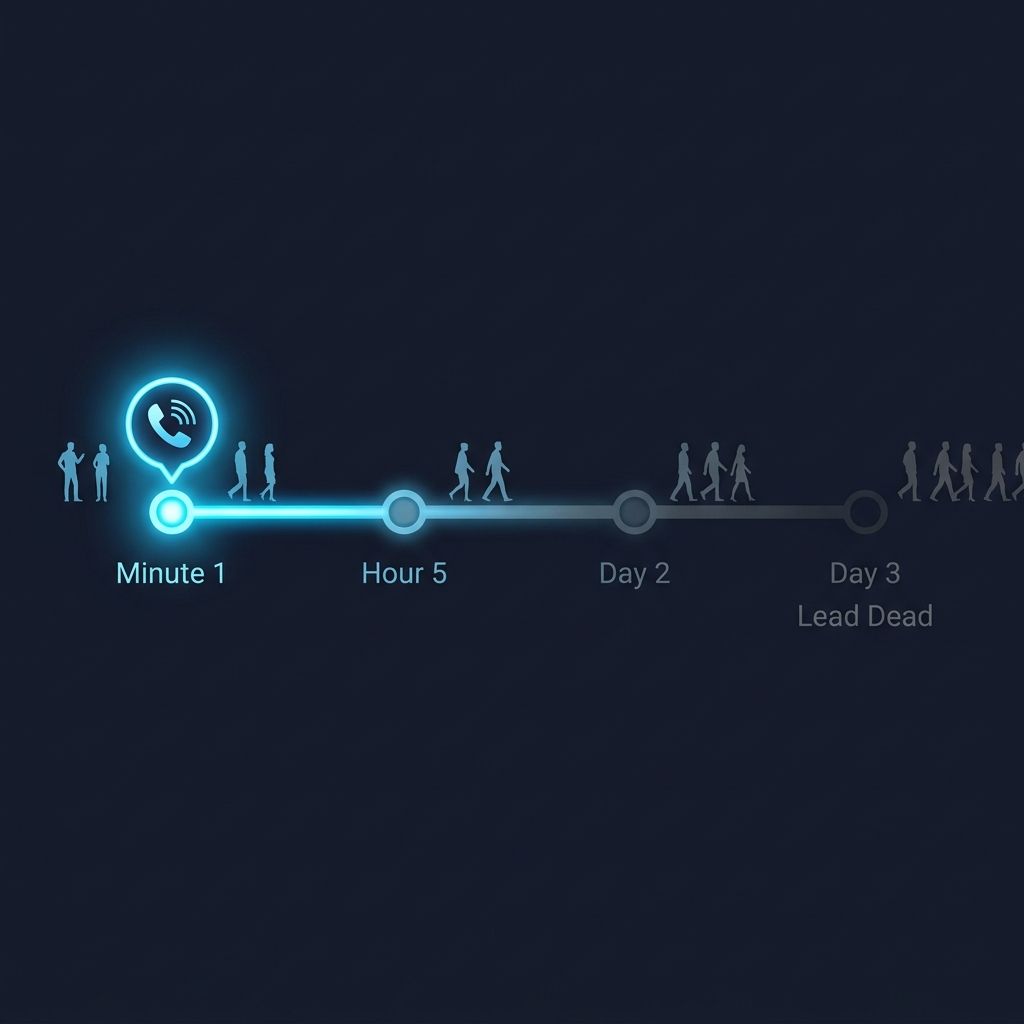
The 5-minute rule gets all the attention. The bigger revenue killer is what happens in the next 72 hours. Vikram Roy breaks down the lead decay curve and the three-touch fix.
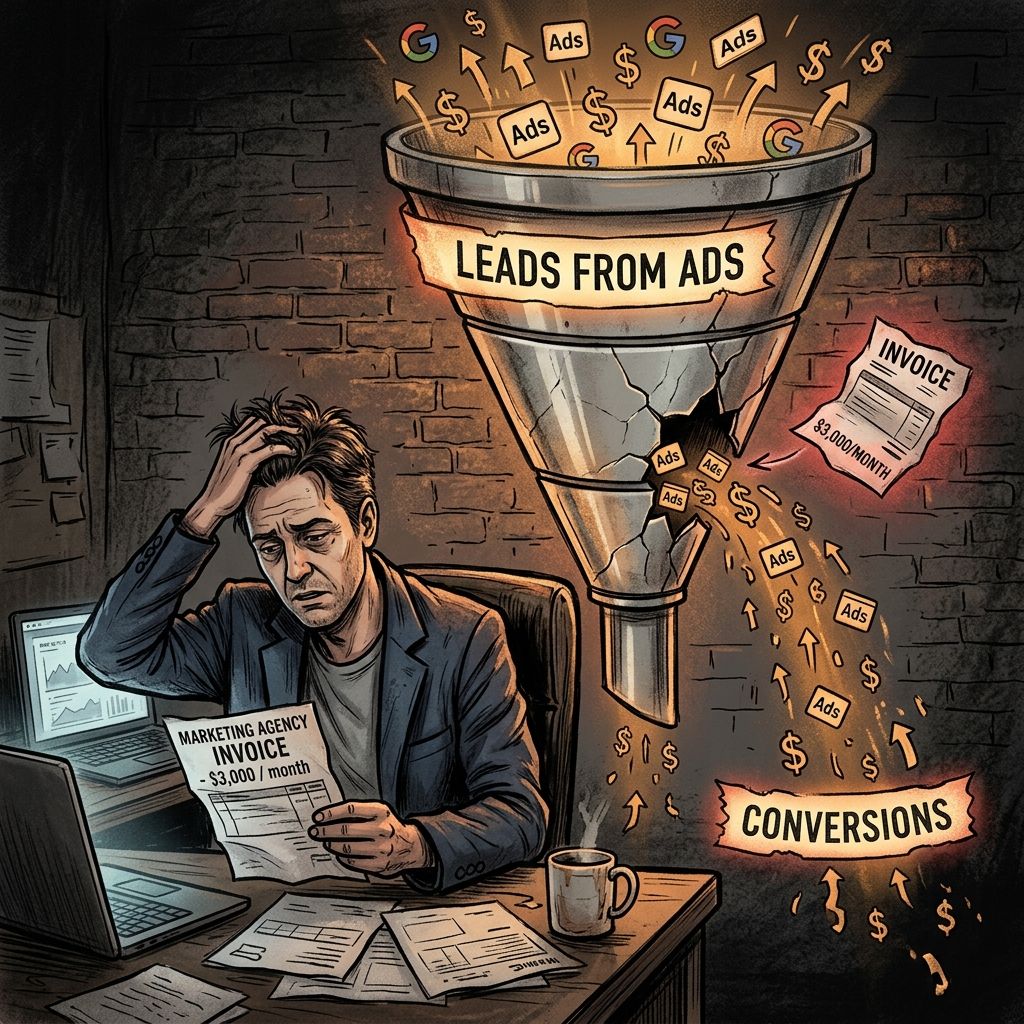
Before buying more leads, diagnose missed calls, slow follow-up, weak booking, CRM gaps, review proof, and conversion leaks in the sales path.

Vikram Roy has been in the room when a valuation comes in 30% lower than expected. The reason is always the same: the business can't run without the owner. Here's what that costs.
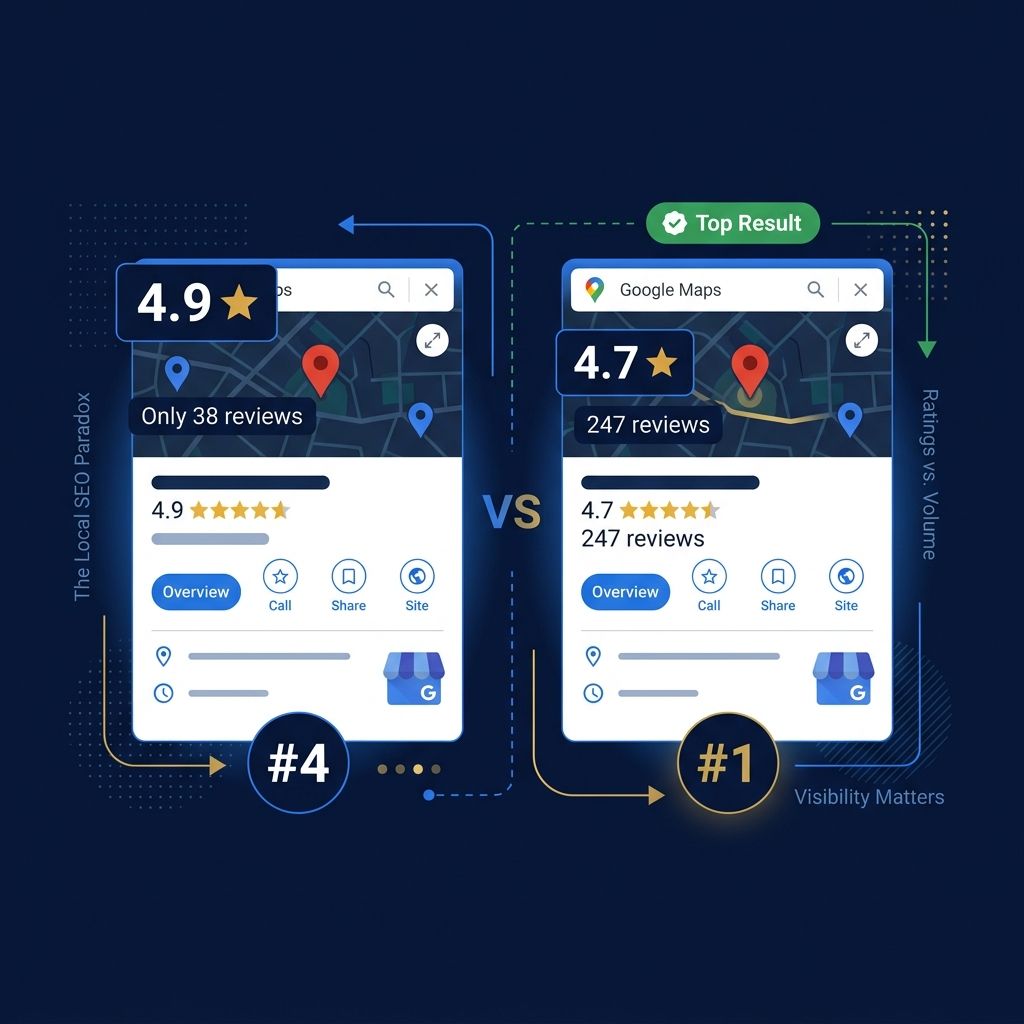
Why review volume and freshness often matter more than a perfect score, and how service businesses can automate review capture safely.
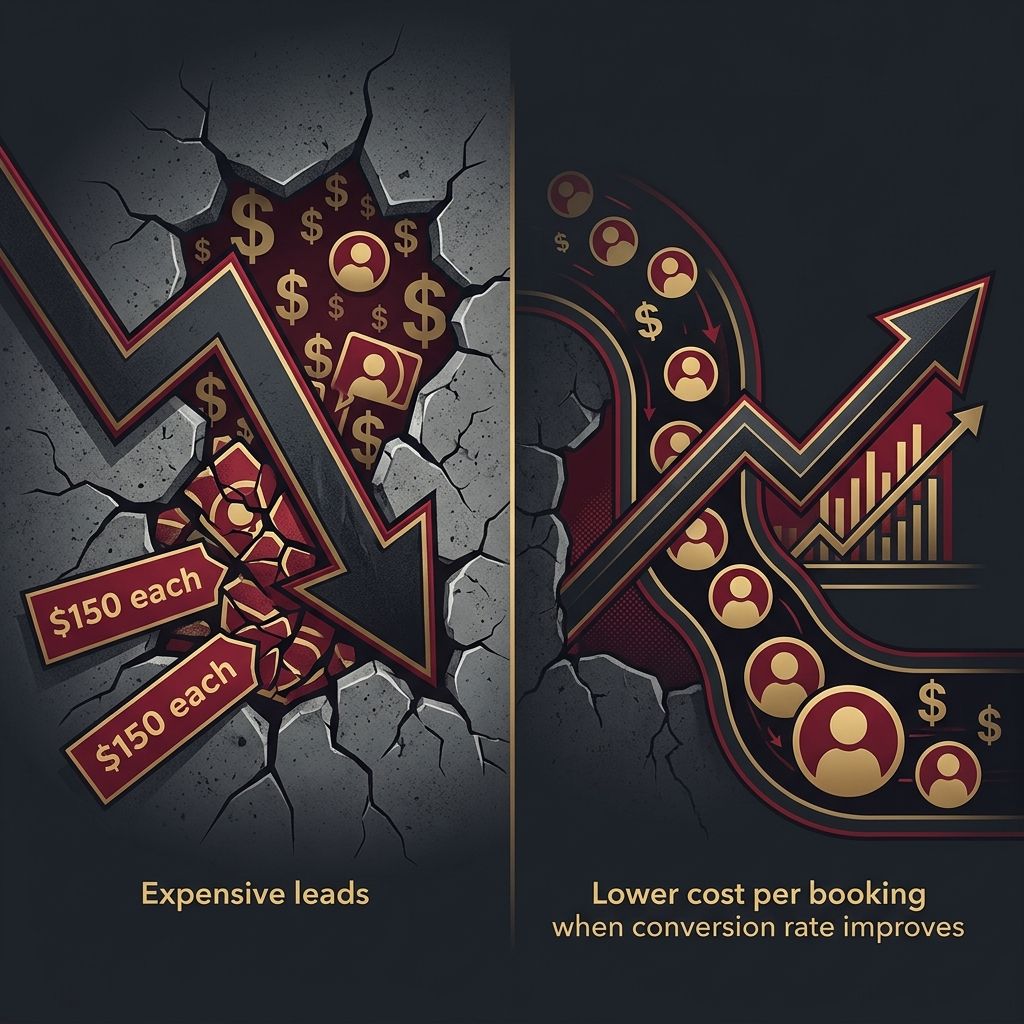
When ad costs rise and margins compress, spending more isn't the answer. Here's the math on why conversion rate beats ad spend as the economic pressure lever.
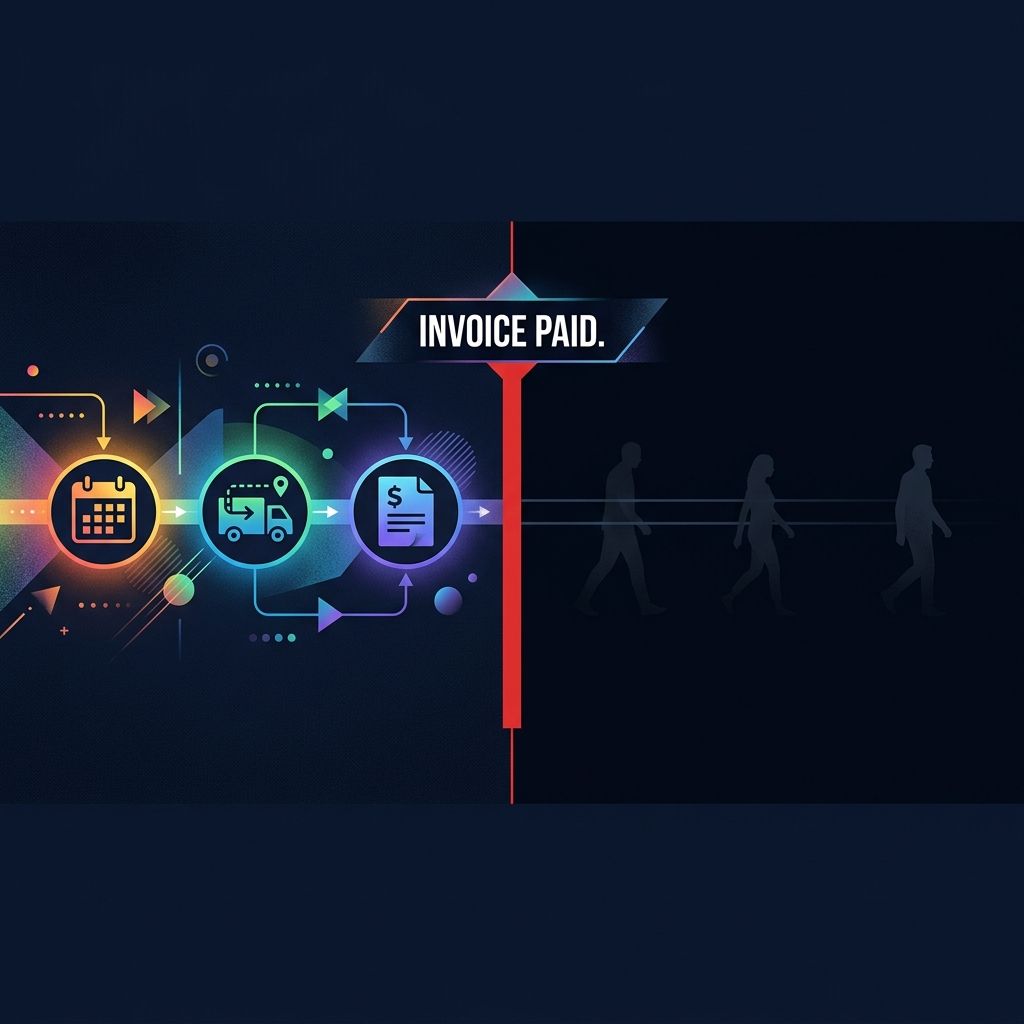
Scheduling software books the job, but service businesses still need AI follow-up, CRM ownership, review automation, and retention workflows.
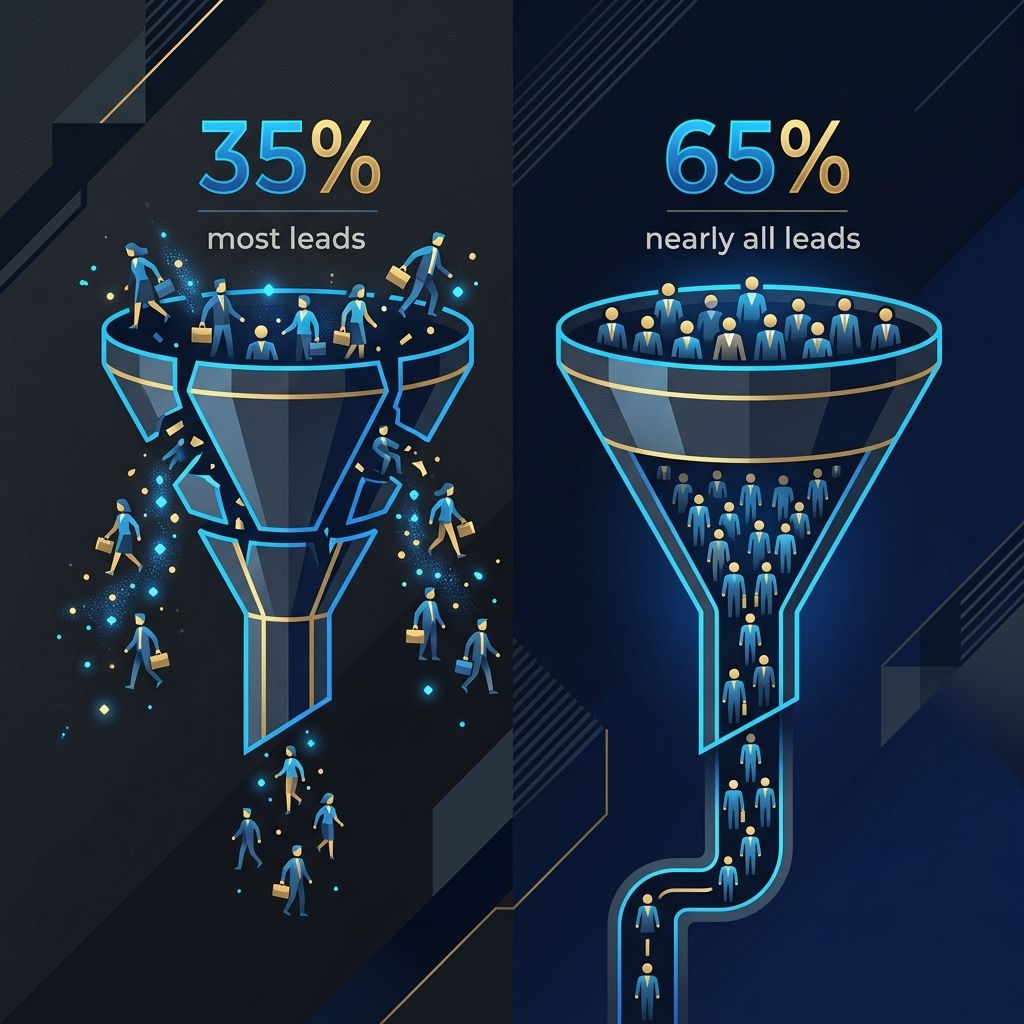
Most owners think they're converting 50, 60% of leads. The call log says 31%. Vikram Roy shows how to calculate your real number and close the gap.

While you're asleep, your local competitor's AI is booking jobs. Vikram Roy maps exactly how the midnight advantage works, and the specific revenue gap it creates.

Growing revenue but taking home less? Vikram Roy explains the three-part math pattern behind the profit gap that hits service businesses at $1.5M, $3M.

A missed call costs more than the immediate job. Here is the full three-layer calculation, immediate value, lifetime client value, and referral chain, and the annual total most owners never see.

A Revenue Leak Diagnostic is a structured 15-minute diagnostic that calculates the exact dollar value of revenue a service business is losing at the point of first contact, before a single dollar of marketing is changed.

A practical guide for restoration companies that need to turn an urgent water-loss call into a clear, time-stamped incident brief without letting automation make safety or dispatch decisions.

Spring home service demand moves fast. Here is why March, April, and May expose intake gaps, missed calls, and follow-up problems before summer even starts.

How electrical contractors lose high-intent calls in the first minutes, and how AI receptionist coverage, booking, and follow-up reduce the leak.
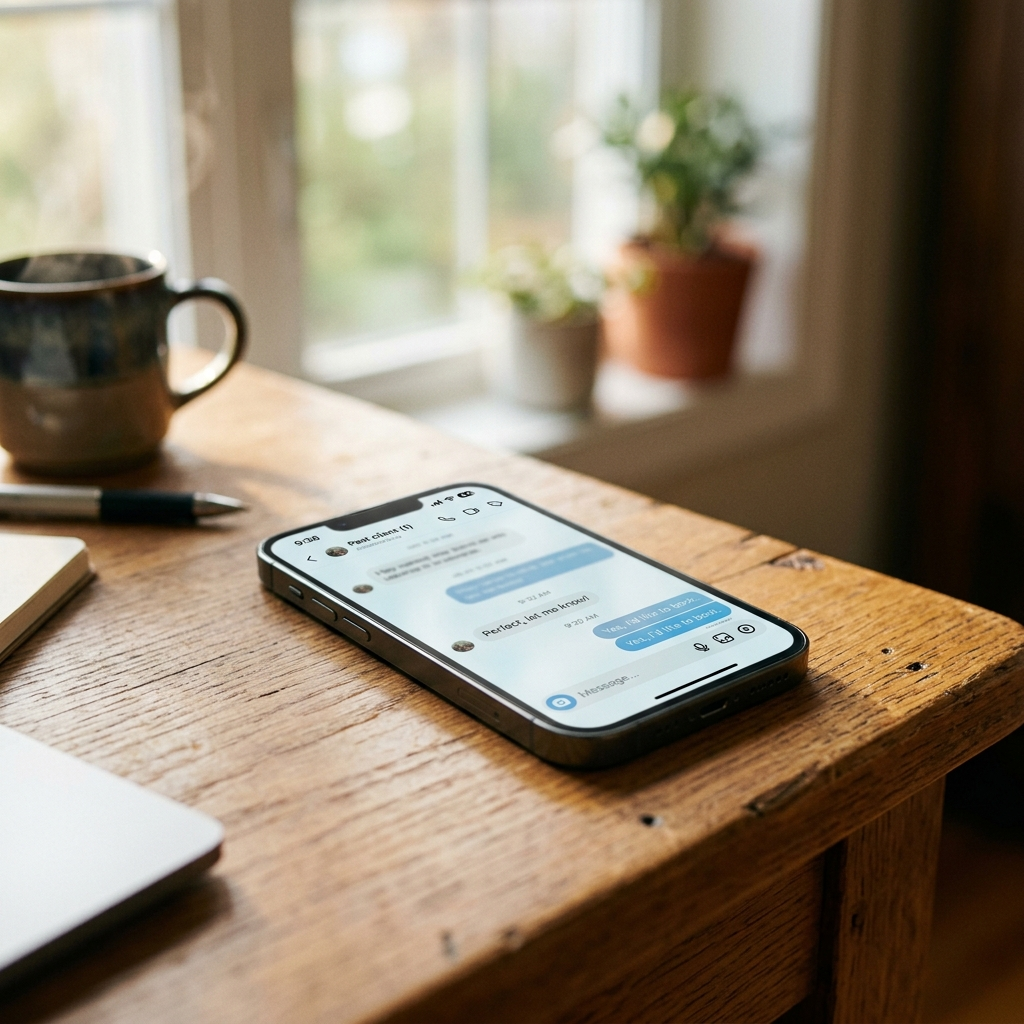
Choose one verified customer group, offer one relevant next step, prepare the response path, and learn from completed outcomes before expanding outreach.
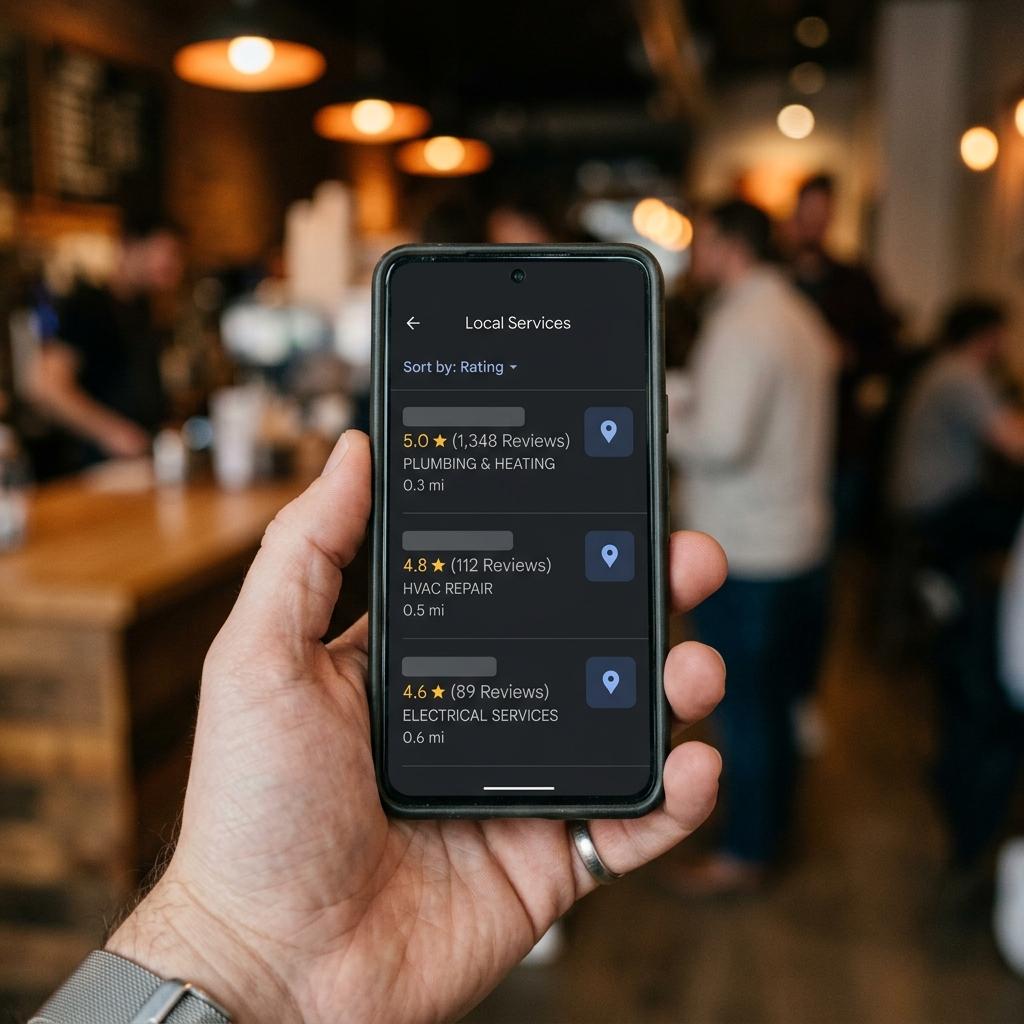
Google reviews affect service business revenue through three distinct mechanisms: Maps ranking, click-to-call conversion, and first-contact trust. Understanding all three changes what a review strategy should look like.

How pest control companies handle seasonal call surges with AI receptionist coverage, routing, booking, follow-up, and review-safe communication.

Most service businesses lose 30 to 45 percent of their estimates because no one follows up at the right time with the right message. Here is the follow-up system that converts estimates to signed jobs.
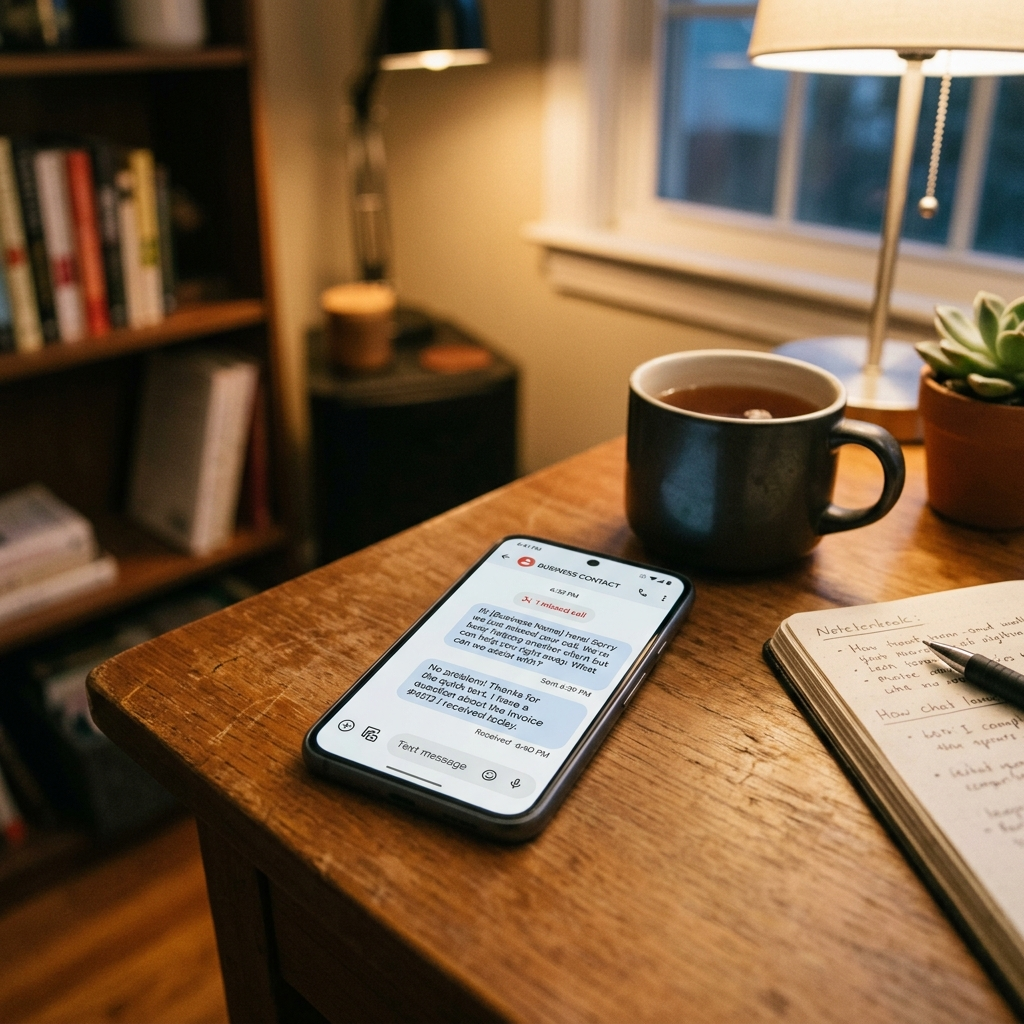
Most service businesses treat a missed call as permanently lost revenue. It is not. A structured missed call recovery system can convert 15 to 25 percent of missed calls that happened in the last 24 hours.

The Revenue Leak Diagnostic surfaces five specific numbers that show exactly how much revenue a service business is losing from its intake systems. Here is what those numbers are and why they matter.

Customers call at all hours. Being available 24/7 is a competitive advantage, but not if it means your team is always on call. Here is how service businesses achieve round-the-clock availability without burning people out.

A practical audit for service businesses and professional firms whose website receives inquiries but too few become useful conversations, appointments, or qualified next steps.

Most explanations of AI voice technology are written for technology people. This one is written for service business owners who want to understand what the technology actually does and how it works.

The most successful service business operators in every market are not generating more leads than their competitors. They are losing fewer of them. Here is the complete revenue protection stack they have built.

A practical way to compare the work, complete cost, coverage, customer experience, exceptions, and operating responsibility behind a person, an AI intake system, or both.

A practical audit for measuring message quality, delivery speed, escalation accuracy, callback ownership, customer experience, data handling, and completed next steps.

Med spas do not usually lose clients to bad experiences. They lose them to time. A booking gap of 4 to 6 months with no outreach is enough to send a returning client to a competitor who shows up first.

A practical guide to overdue-patient lists, contact preferences, privacy safeguards, reply handling, booking, custom-system scope, and evidence a dental practice can measure.
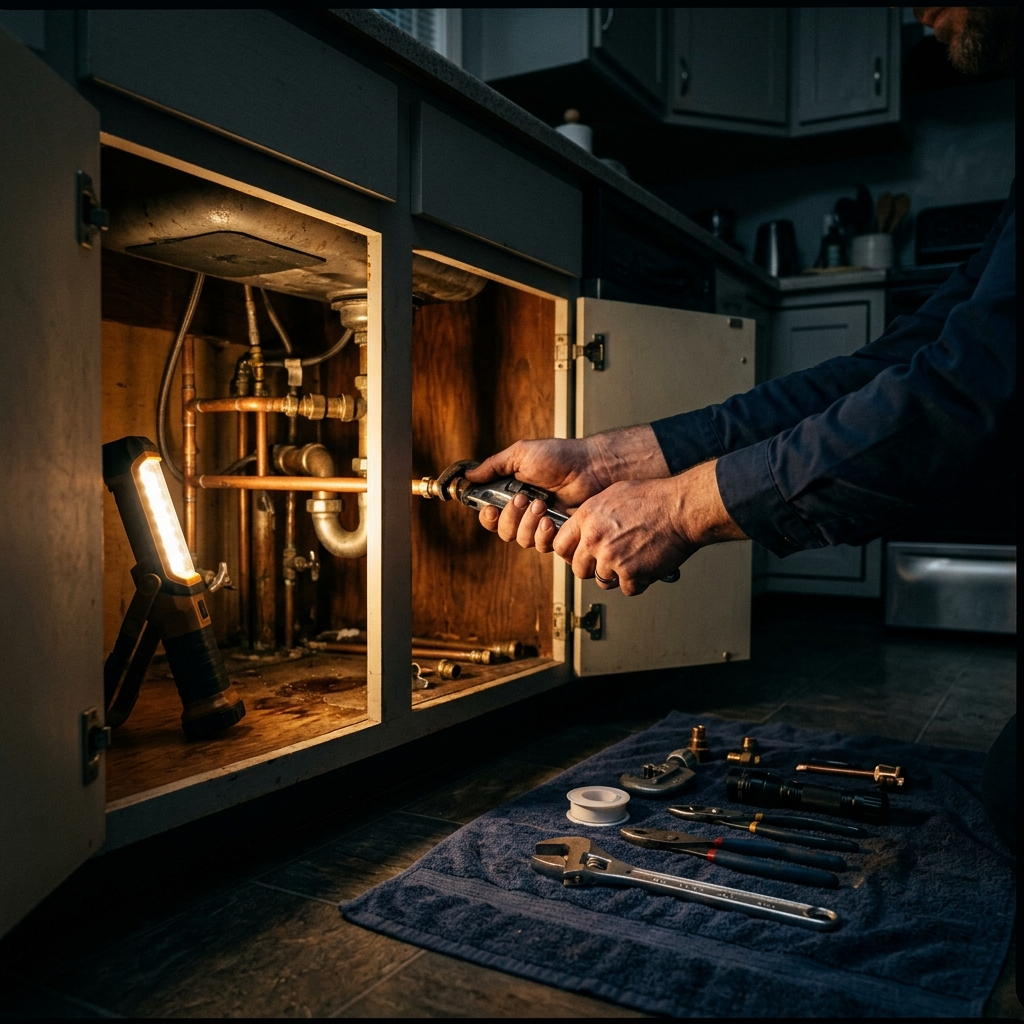
After-hours emergency plumbing calls are the highest-value, highest-margin leads a plumber receives. Most go to voicemail. Here is how the plumbers capturing these calls have built their intake systems.

Electrical emergencies happen at night and on weekends. For most electrical contractors, those calls go unanswered. Here is exactly what that coverage gap is costing.
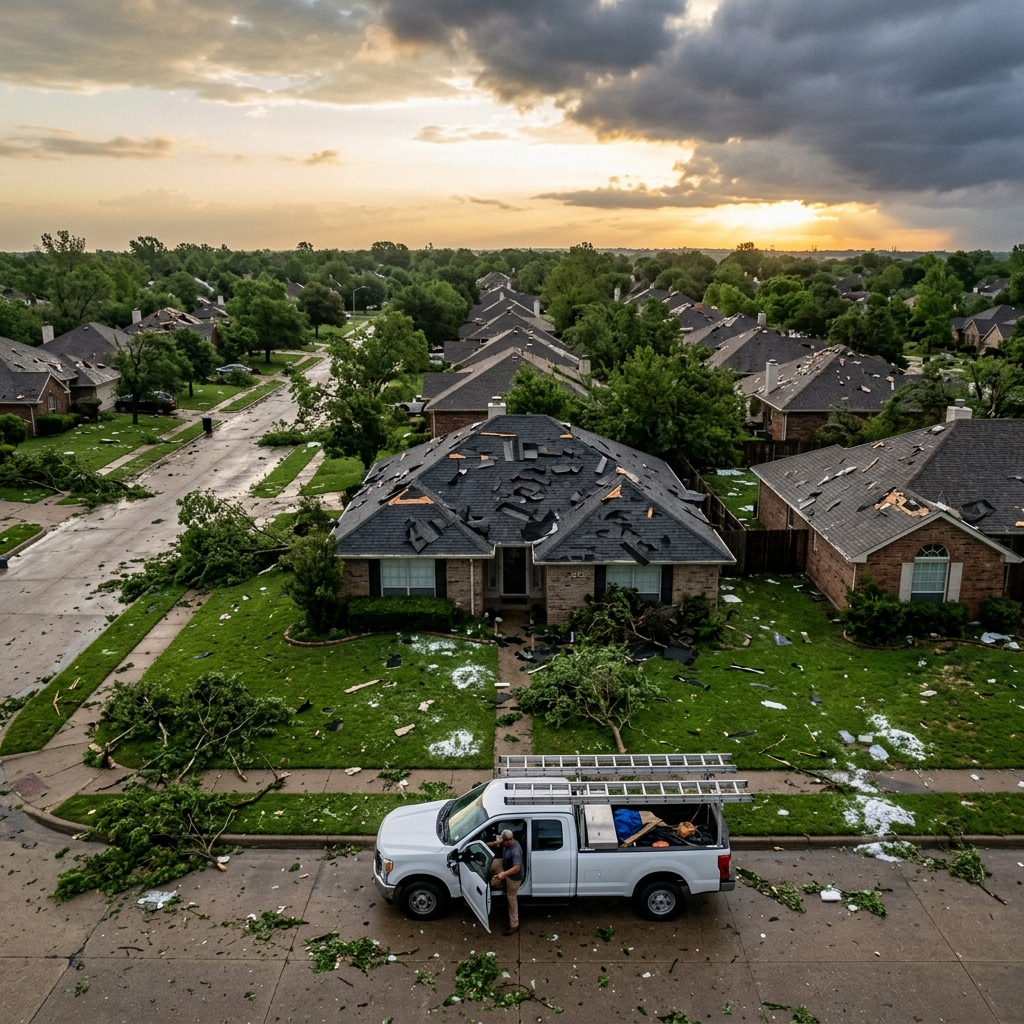
How roofers capture storm demand before competitors by combining fast response, after-hours AI intake, booking, CRM notes, and proof.

A garage door stuck open overnight is a security emergency. A broken spring before work is a crisis. These are the calls that define a company's reputation and revenue, and most go unanswered.

Five diagnostic signals that reveal how much revenue a service business is silently losing through operational gaps. Most service businesses losing six figures annually across these five channels have no idea the leak exists.

Every AI vendor oversells what their system can do. Here is an honest breakdown of what AI voice intake genuinely cannot handle, and why knowing the limits is how you deploy it right.

A practical framework for measuring baseline performance, contribution margin, total cost, attribution, uncertainty, and the first 30 to 90 days of an AI receptionist pilot.

Research shows leads contacted within 5 minutes convert at 21 times the rate of leads contacted after 30 minutes. Here is what that means for service businesses and how to close the gap.

A med spa guide to filling summer schedules with dormant clients, treatment timing, SMS follow-up, reviews, and booking automation.

A first-party operating guide for testing weekend phone intake, emergency routing, on-call ownership, booking, follow-up, and the evidence a plumbing company should review.

Dallas HVAC companies do not lose summer calls because demand is weak. They lose them because DFW homeowners call until someone answers. Here is how AI intake changes that.

The Revenue Leak Diagnostic is the total annual revenue a service business is leaking through operational gaps. Here is how it is calculated, what inputs it uses, and what the number typically looks like.

Garage door emergencies happen at the worst possible times. Most companies miss 40 to 60 percent of after-hours calls. The revenue math is significant, and the fix does not require additional staff.

HVAC peak season exposes every weak intake system. Here is how HVAC companies prepare before the heat hits, capture more summer calls, and avoid owner burnout.
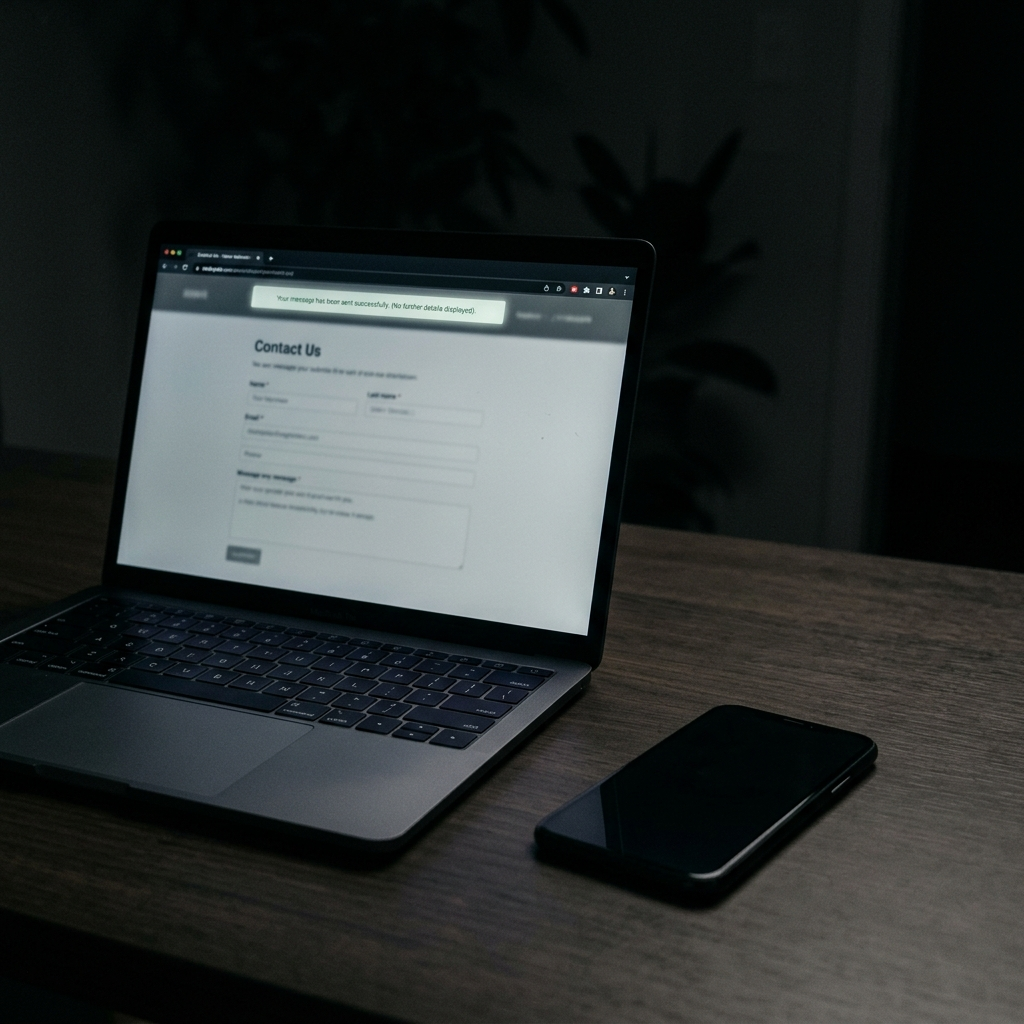
A practical audit for established firms whose website earns visibility but does not yet make the business easy for people, search engines, and AI systems to understand and trust.

A single severe weather event can send a restoration company's call volume up 4 to 8 times overnight. Most of those calls go to voicemail. Here is how the companies capturing storm revenue are built differently.

An AI receptionist answers calls 24/7, captures leads, qualifies urgency, and routes emergencies, without voicemail. Here is exactly how it works and what it cannot do.
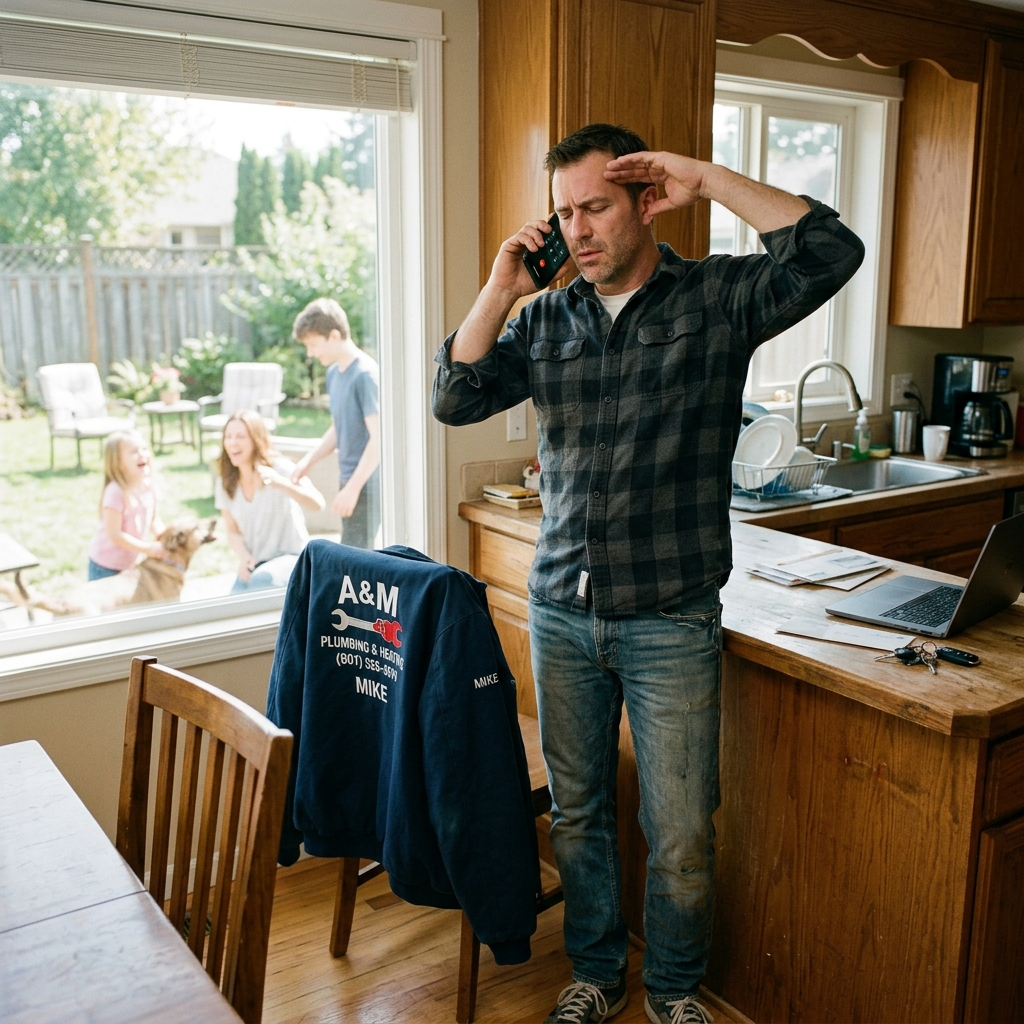
The weekend emergency call is the highest-value call a plumbing company receives. Here is the structural reason so many go unanswered, and the fix that does not require headcount.
HVAC companies lose their highest-value calls after 5 PM. Here is what the annual cost is in precise terms, and what fixed looks like without adding headcount.

Most med spa revenue leaks before intake, not in the treatment room. Here is exactly where it goes, how much it costs annually, and what the fix looks like without adding staff.
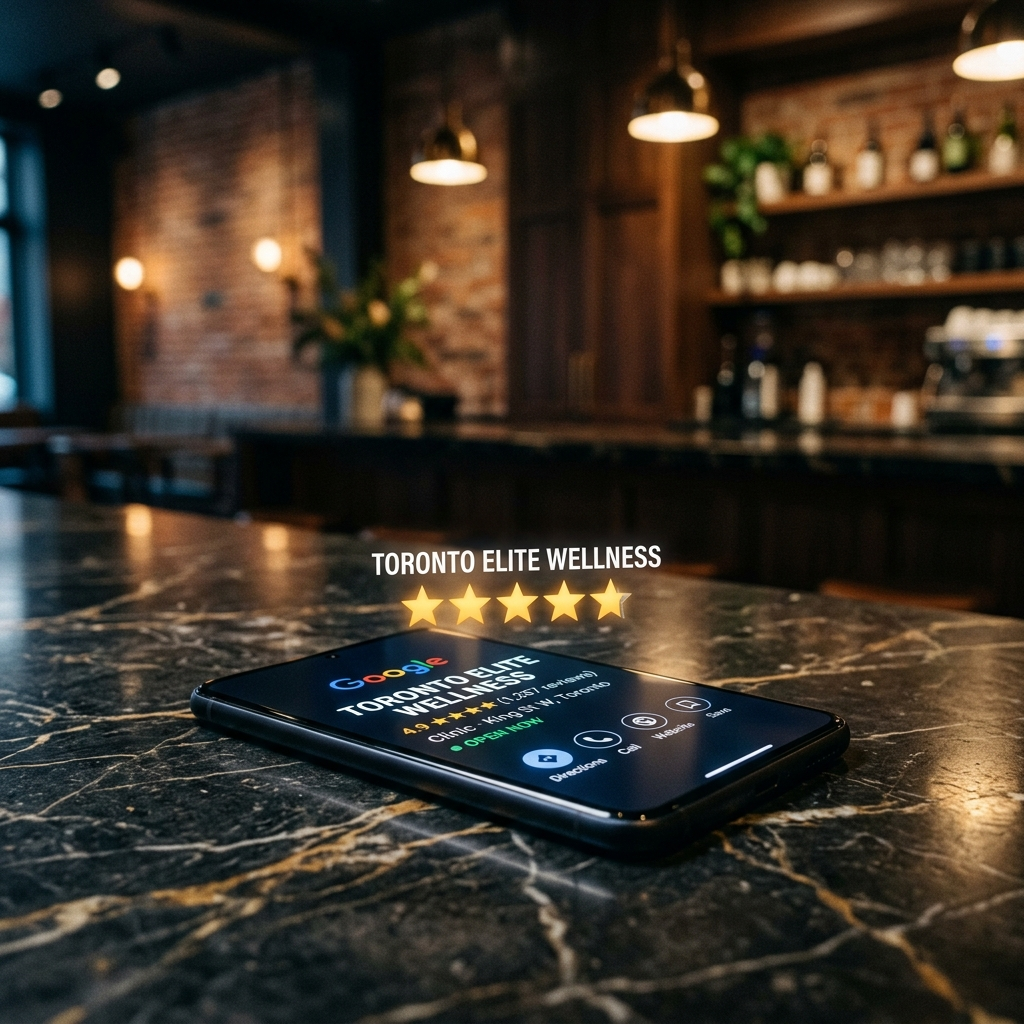
A practical guide for GTA service businesses on using AI reputation management to request Google reviews consistently and ethically.

A practical Ontario-focused guide to prospective-client intake, confidentiality, privacy, conflict gates, human handoffs, and responsible AI system evaluation.

A practical framework for comparing law-firm AI intake systems, defining professional boundaries, testing failures, and choosing a responsible implementation path.

An honest framework for choosing an AI automation agency in the United States, especially for service businesses with missed calls, follow-up gaps, and revenue leaks.
A practical Ontario guide to service-area rules, accessible customer service, privacy, messaging, multilingual intake, staff handoffs, and a controlled local launch.
Most Toronto service businesses lose 30 to 50 percent of their evening and weekend inbound revenue to voicemail. This guide covers the exact after-hours revenue leak, the math behind what it costs, and what an AI system does to close the gap.
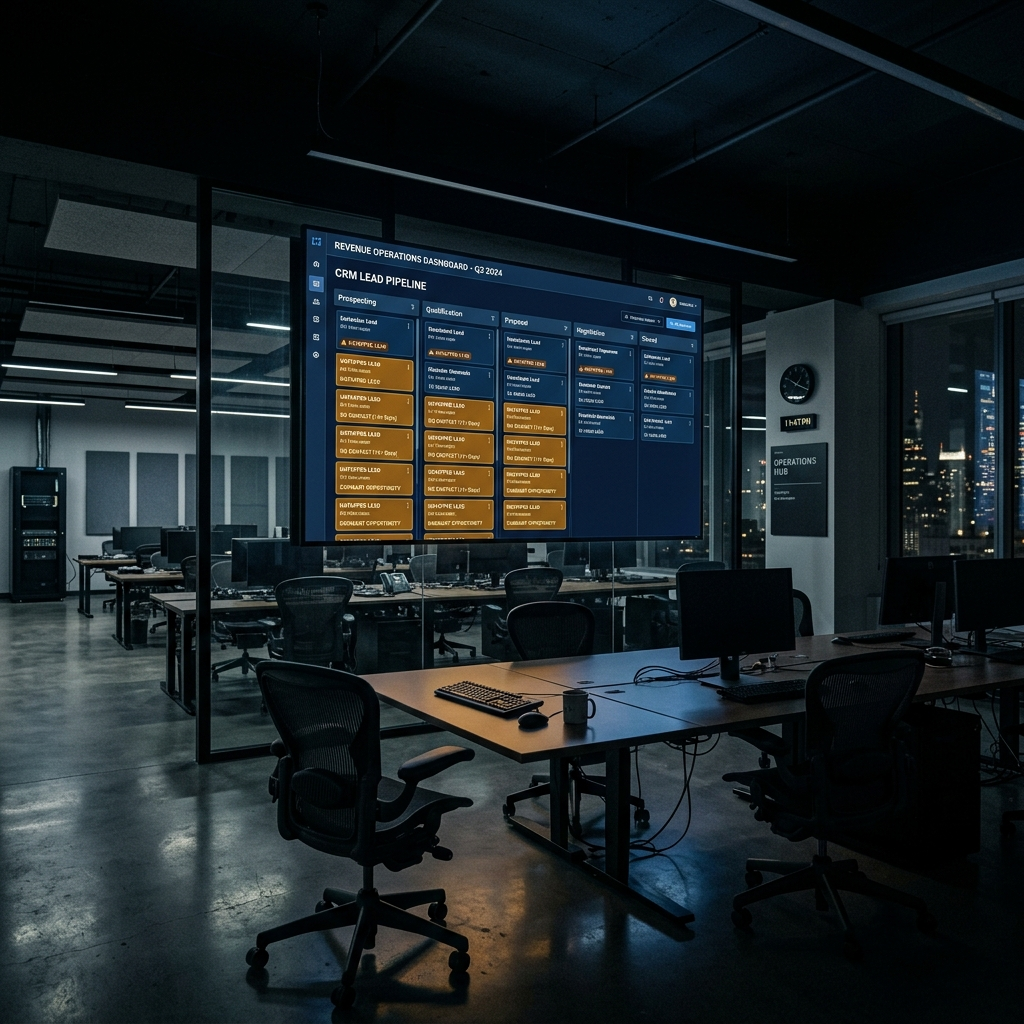
US service businesses spend thousands of dollars generating leads and then lose 40 to 60 percent of them to slow follow-up. This guide covers what an AI follow-up system does, what the dollar impact is, and what to look for before you buy.
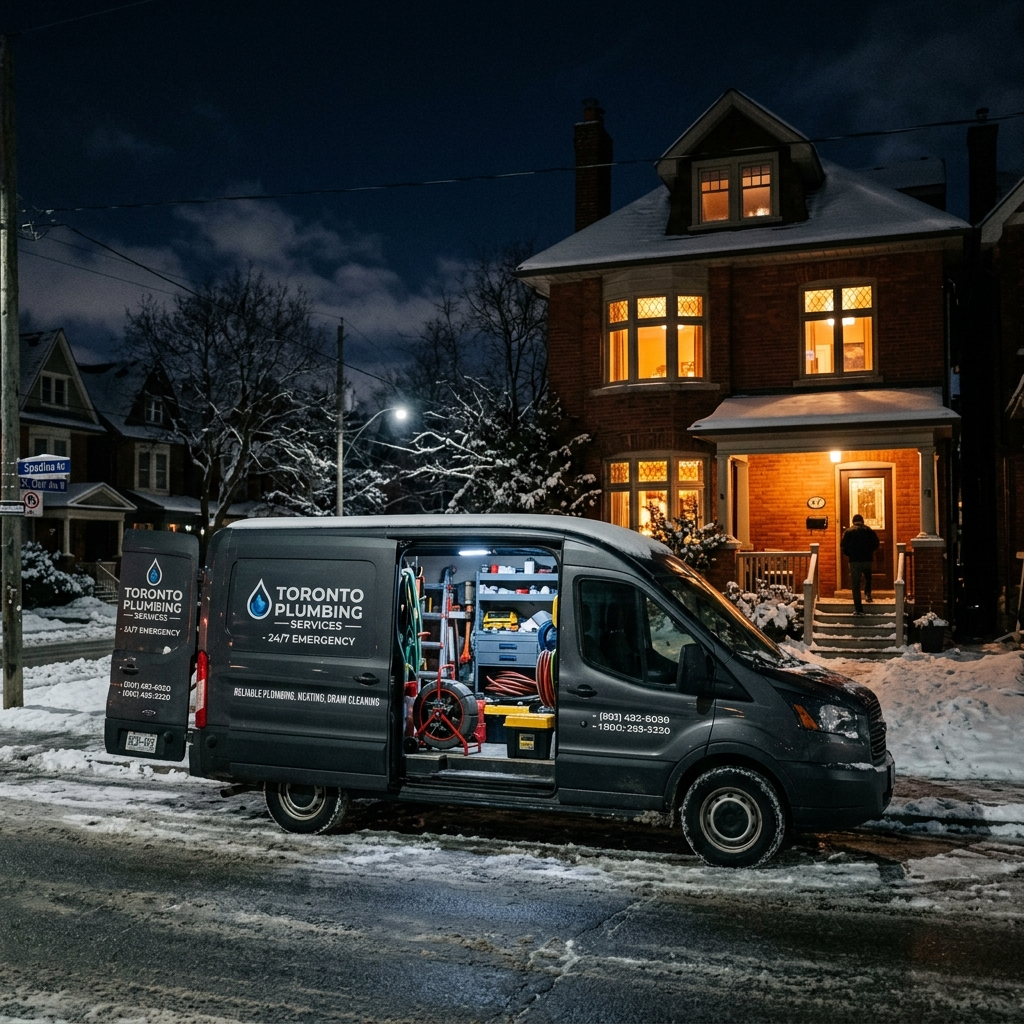
Plumbing is one of the most demand-driven trades businesses in the GTA. When someone's basement is flooding at 9 PM or a pipe bursts on a February weekend, they call the first plumber that answers. Not the best one. The one that picks up. This guide covers how Toronto and GTA plumbing companies are using AI to answer every call, capture every emergency, follow up on every estimate, and build the review profile that earns repeat and referral business.

Roofing is one of the highest-revenue-per-job trades businesses in America and one of the worst at capturing and converting its own leads. Storm season generates a flood of inbound calls that most roofing companies cannot handle at peak volume. The result is tens of thousands of dollars in missed estimates every week during the weeks that matter most. This guide covers what an AI operating system does for US roofing companies and what the recovery math looks like.

A practical guide to approved intake, consent, booking, human review, and accountable AI use for United States personal injury law firms.

A practical guide to state applicability, customer data, inbound and outbound boundaries, vendor terms, multi-location routing, controlled pilots, and evidence-based expansion.
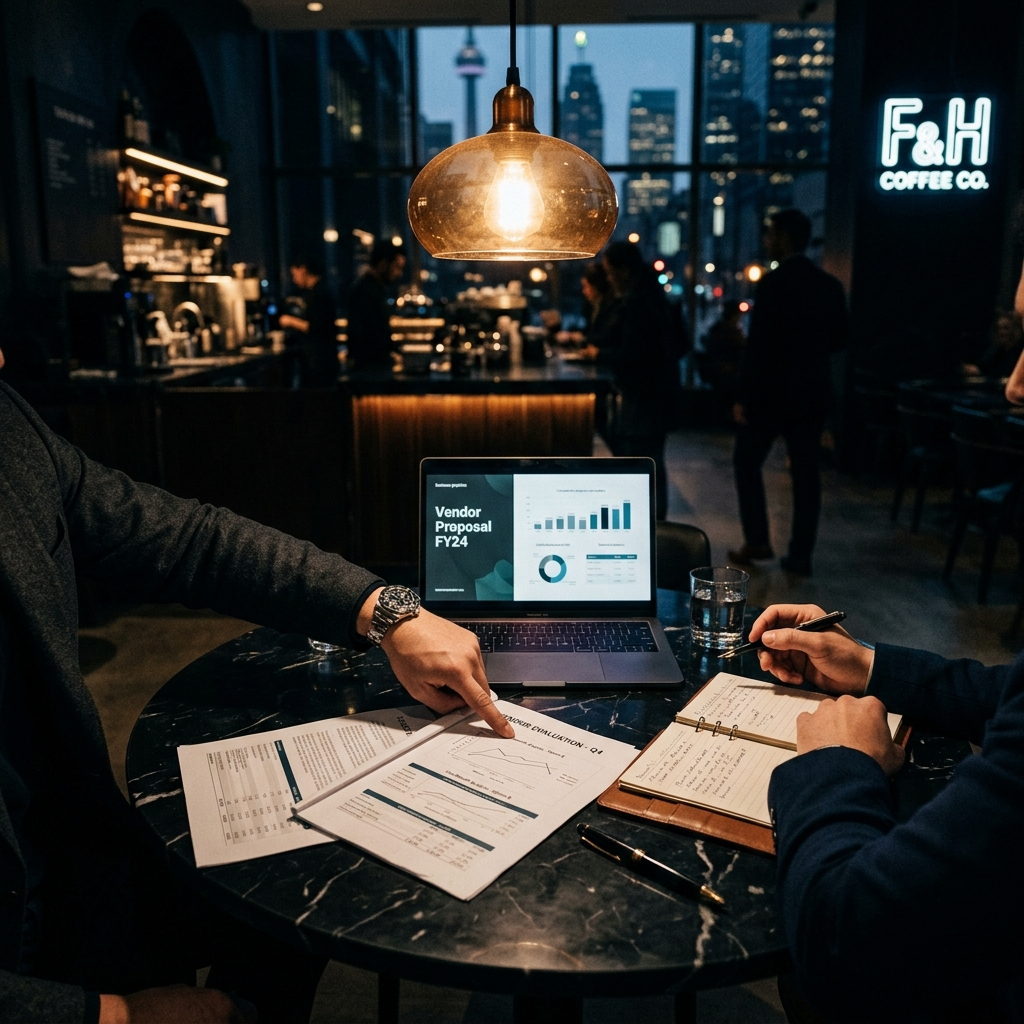
Toronto has no shortage of companies calling themselves AI agencies. This guide gives you the exact questions to ask, the red flags to watch for, and the criteria that separate a real AI systems partner from a reseller with a premium price tag.

Brampton and Mississauga have some of the highest concentrations of independent service businesses in Canada. Most of them are competing without the operational infrastructure that their larger competitors have. This guide covers how AI operating systems level the playing field for Peel Region businesses.

The Greater Toronto Area real estate market produces some of the highest per-transaction commissions in Canada and some of the worst lead follow-up rates of any high-value service profession. Buyers browse MLS listings at 10 PM on a Sunday. Sellers submit contact forms at 7 AM before work. Agents who respond within 5 minutes convert those leads at rates four times higher than agents who call back the next morning. This guide covers how GTA real estate agents are using AI to capture every inquiry, follow up systematically, and build the review presence that earns referrals.
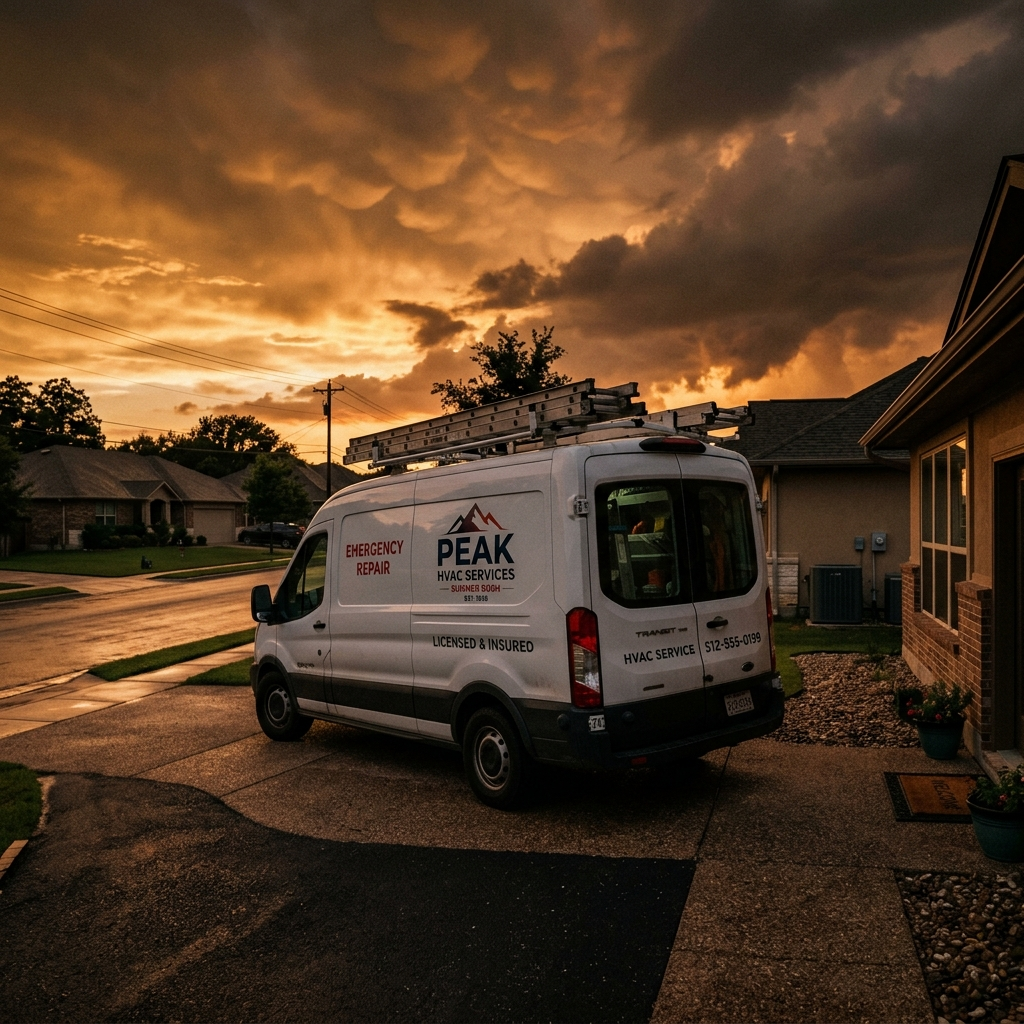
HVAC is one of the highest-stakes businesses in America for missed calls and slow follow-up. A residential HVAC company in Texas or Florida can lose $40,000 to $120,000 per year in missed peak-season revenue from calls that went to voicemail. This guide covers exactly how US HVAC companies are using AI operating systems to recover that revenue and what the full stack looks like in practice.
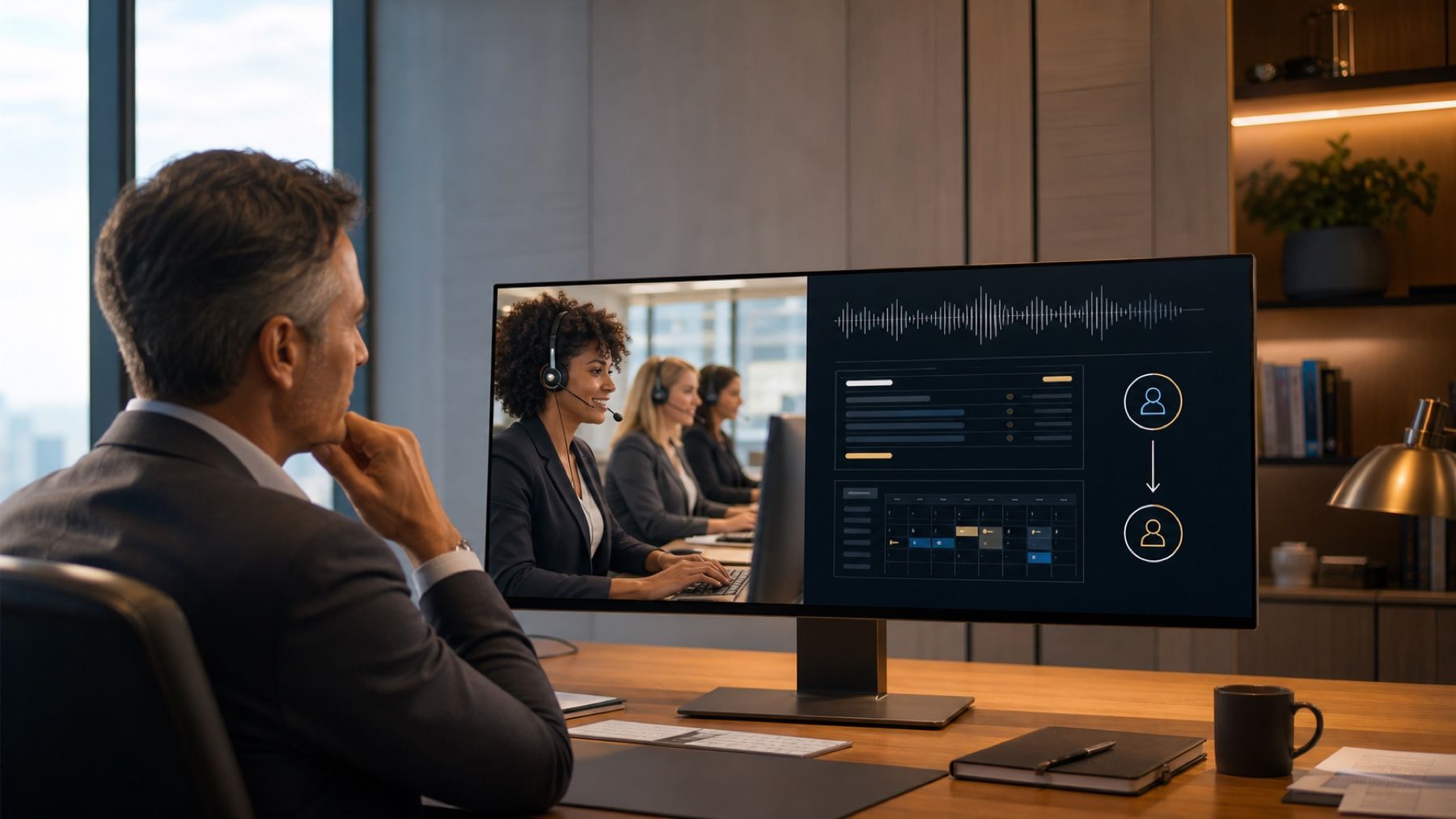
A current, practical comparison of Ruby’s human-led virtual receptionist service, configured AI reception, and a layered model for established businesses.
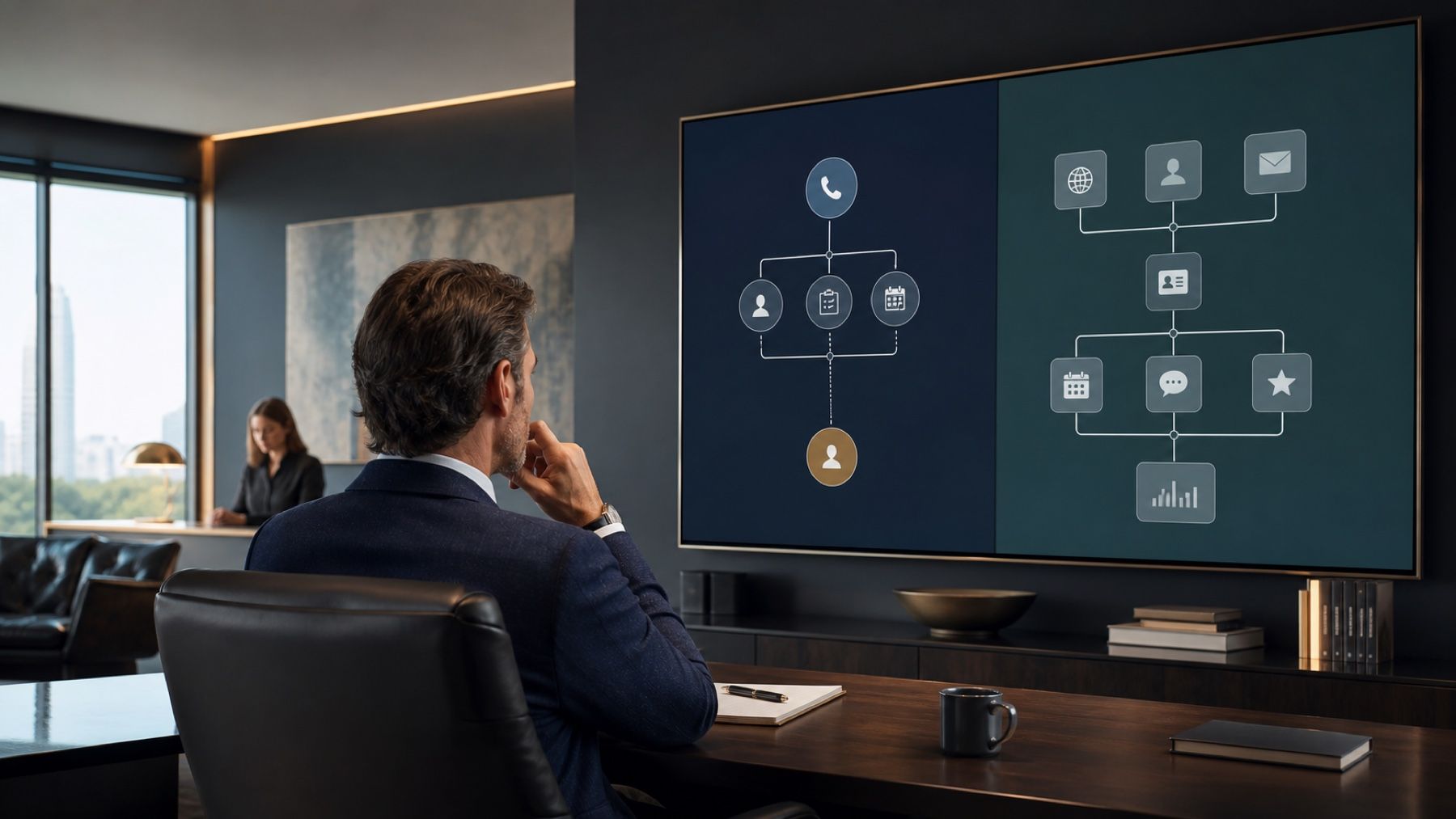
A current procurement guide to Smith.ai, a configured customer-intake system, and the evidence an established firm should require before choosing either model.

The Revenue Leak Diagnostic is the annualized dollar cost of a service business's front-door failures. Learn how it is calculated and how to use it to prioritize fixes.
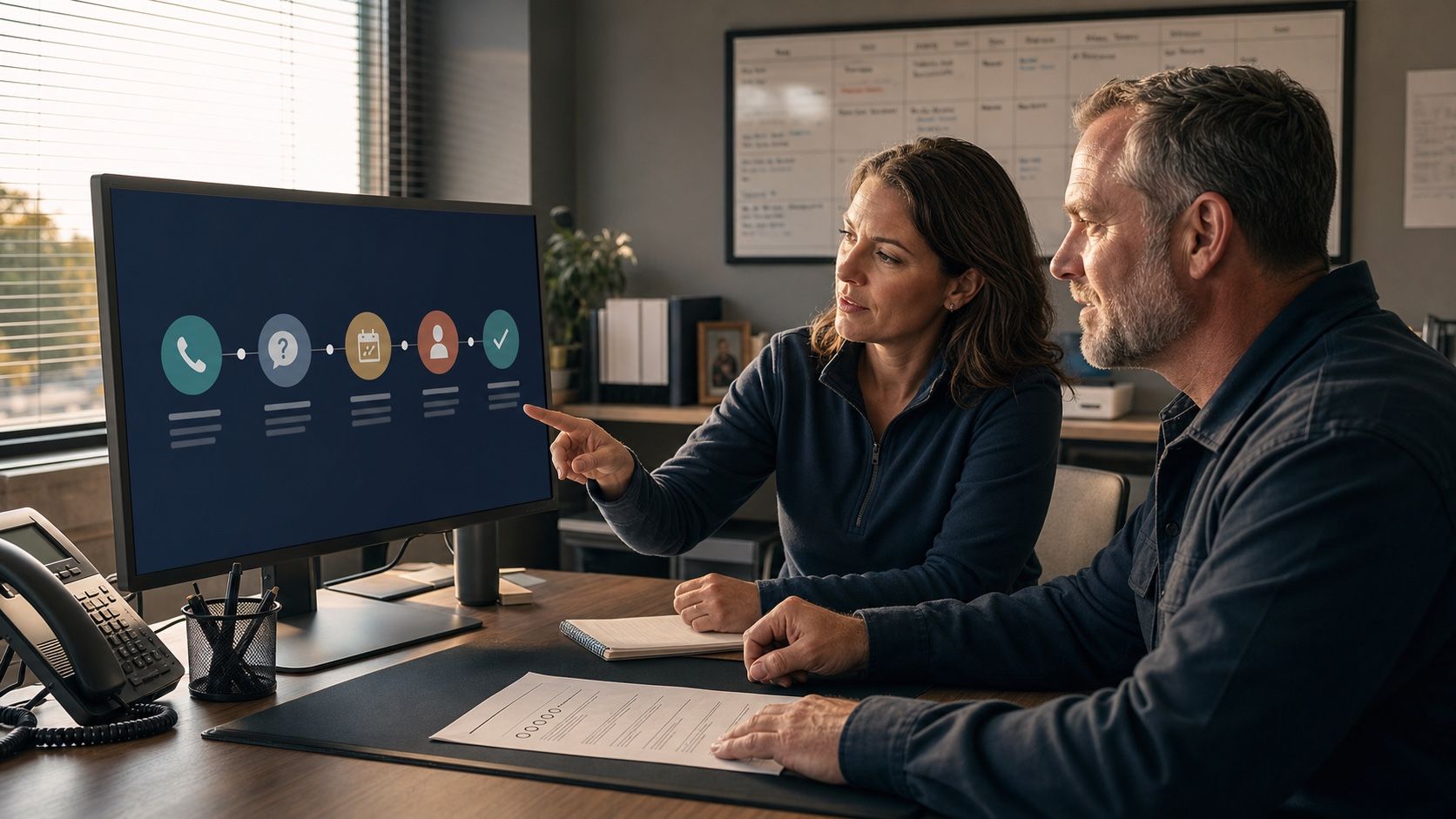
A practical operating guide to choosing the first call path, preparing staff, testing real handoffs, and deciding whether an AI receptionist is ready to handle more customer conversations.
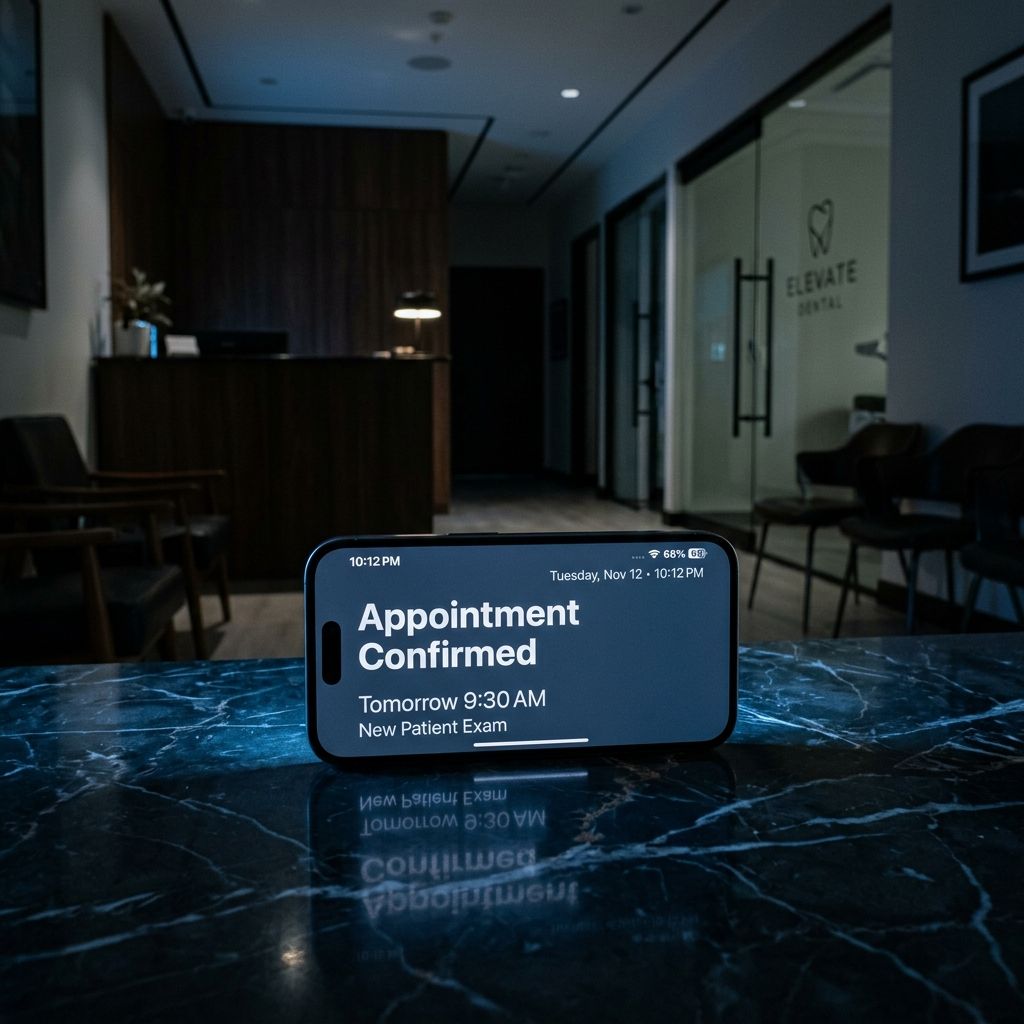
A practical guide to answering after-hours dental inquiries, separating routine booking from urgent concerns, protecting patient information, and keeping care decisions with the practice.

A practical buyer guide to platform access, launch configuration, usage charges, team-owned software, and the point where a custom system becomes a separate engagement.

Mental health practices face a paradox that almost no other healthcare category deals with. The demand for their services has never been higher. Waitlists stretch weeks or months. And yet, practices are quietly losing patients they already had, to slow intake, no-shows, and scheduling gaps that go unfilled. Here is how the AI Business OS applies to therapy practices without compromising the trust and privacy that make the work possible.
A buyer's guide to faster inquiry response, safer intake, better consultation booking, and clear boundaries between software and people.
A practical guide to connecting a pool company's website, quote intake, recurring routes, property access, technician handoffs, exception recovery, repairs, reviews, and accountable records.

A buyer-led comparison of discovery, workflow scope, evidence, AI governance, handoffs, ownership, support, and acceptance testing for Toronto service businesses.

A practical guide to structuring prospective-client intake, protecting professional judgment, and keeping urgent or viable inquiries from disappearing between channels.

Physiotherapy clinics in the Greater Toronto Area face two revenue problems that compound each other: patients drop out early when their acute pain resolves, and clinic capacity sits partially empty because no one is systematically bringing them back. This guide covers how GTA physio clinics are using AI to reduce dropout, automate recall, fill schedules, and build the Google presence that earns new patients from local search.

A practical framework for choosing an administrative AI use case, reviewing privacy and vendor controls, proving integrations, and launching without surrendering clinical judgment.

A practical Ontario guide to administrative AI, PHIPA-aware data handling, patient communication, CDCP questions, multilingual intake, software handoffs, and a controlled first launch.

Chiropractic practices in the United States face two revenue problems that compound each other. New patients arrive in acute pain, improve after three to five adjustments, and stop booking when the sharpest pain fades. At the same time, personal injury and auto accident patients, who represent the highest-value cases in any chiropractic practice, require specific intake handling that most practices manage manually and slowly. This guide covers how US chiropractic practices are using AI to retain more patients, capture more PI cases, and build the review presence that drives organic new patient growth.

A practical guide to connecting a contractor's website, project qualification, consultations, estimates, customer decisions, production handoffs, reviews, and accountable records.
Window cleaning is one of the most seasonal businesses in home services. Six weeks of spring generates more revenue than the rest of the year combined. The AI Business OS helps window cleaning companies answer every call during surge periods, rebook one-time clients automatically, and build Google review authority that keeps the phone ringing.
Lawn care is a recurring revenue business - but most companies treat every season like they are starting from scratch. The operators building real equity are the ones retaining 90% of their clients year over year, filling their spring routes in January, and generating reviews in October when no one else is asking.

A practical guide to connecting a painting company's website, qualification, site assessment, written scope, selections, schedule, crew handoffs, change control, completion, reviews, and warranty follow-up.

A practical guide to connecting an electrical contractor's website, inquiries, safety boundaries, scheduling, dispatch, estimates, reviews, and team handoffs.
A practical buyer's guide to classifying plumbing calls, protecting safety boundaries, confirming dispatch ownership, and following up without losing context.

Learn what an AI business intelligence dashboard should show service business owners: missed calls, response time, lead quality, follow-up gaps, reviews, and revenue leaks.
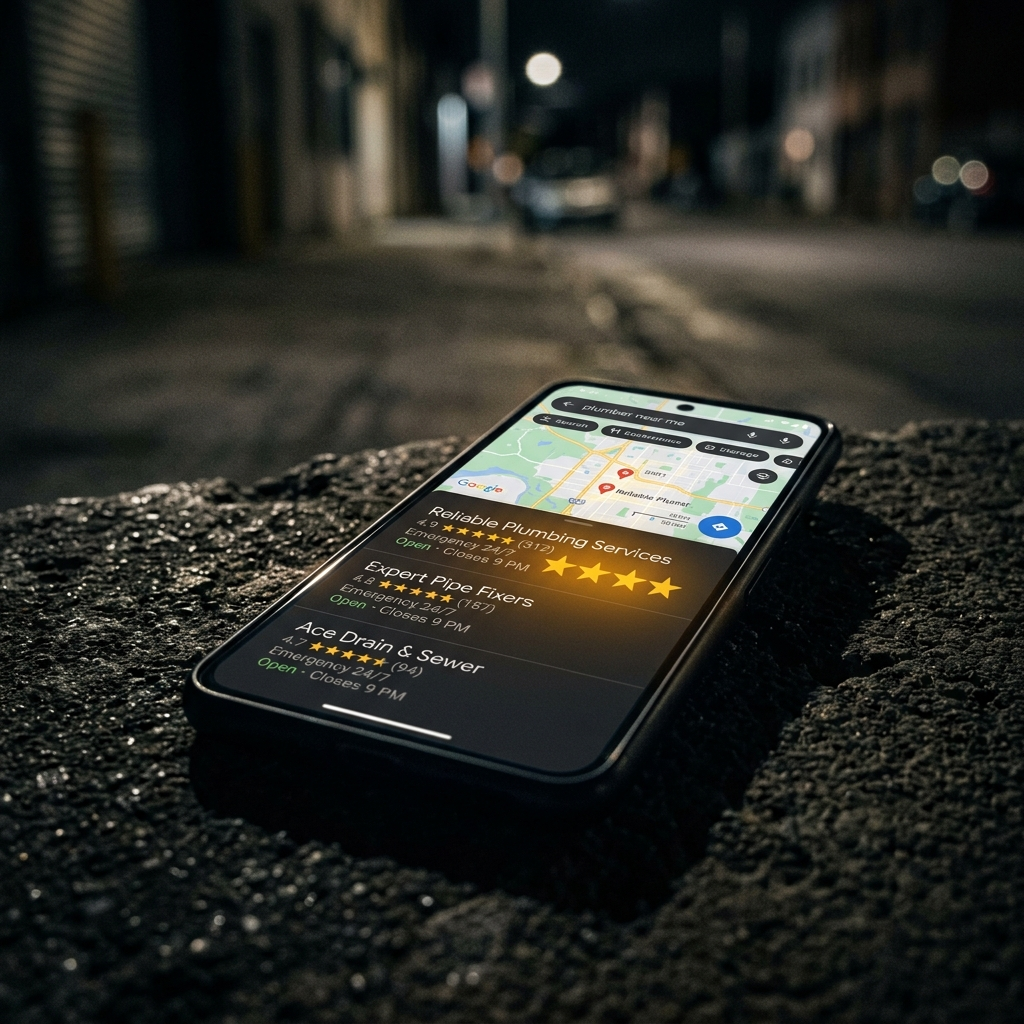
Not every inquiry deserves the same response. Emergency HVAC calls should reach a dispatcher in 90 seconds. General maintenance inquiries can go into a booking sequence. AI triage is the logic that knows the difference - and routes accordingly without anyone picking up the phone.
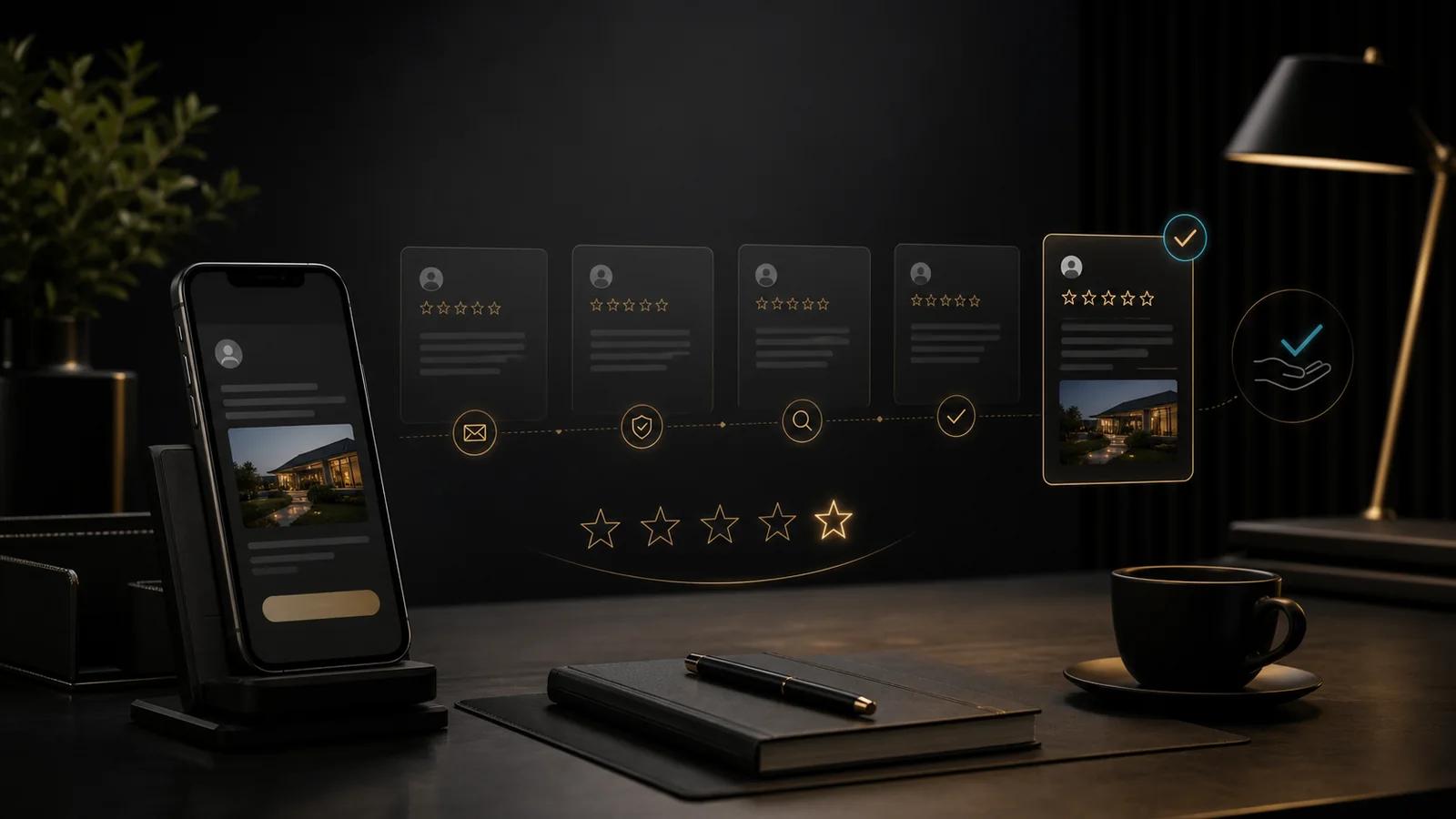
How eligible service businesses can request genuine reviews consistently, respond professionally, route service issues, and keep the workflow within clear policy and human-approval boundaries.

Learn how an AI follow-up engine helps service businesses recover warm leads, stale estimates, old CRM contacts, and dormant customers without relying on memory.

A plain-language buyer guide to the difference between an AI receptionist and a complete intake system, including operating boundaries, implementation scope, testing, and published starting costs.

A plain-language comparison of software capability, customer records, automation, AI, implementation, governance, and the work required to make one customer journey operate reliably.

AI receptionists are becoming bundled commodities. Learn what service businesses should buy instead: a full front-door operating system that protects revenue.
A homeowner calling a plumber on Saturday morning with a burst pipe is not comparison shopping. They are buying. Here is the math on why weekend emergency calls are the most valuable leads in the business - and how most plumbing companies accidentally give them to competitors.

Med spas spend thousands attracting new clients, then quietly lose 40 to 60 percent of them at the phone. Here is where the leak is, how much it costs, and what the fix looks like.

A plain-language buyer guide to the category label, the operating path underneath it, and the questions that separate useful systems from inflated software claims.

A practical operating guide to finding where a customer journey is losing time, trust, or momentum before the business buys more software or automates the wrong step.
HVAC emergency calls spike between 5 PM and 10 PM. Most companies miss them. Here is how much it is costing you and what a voice AI system for HVAC businesses actually looks like.

Most service business owners are not burned out. Their operation has a structural failure that makes them personally responsible for everything the front door should be handling automatically.

A missed call is not just one lost job. It is a lost review, a lost referral chain, and years of compounded revenue gone. Here is the full calculation for your specific business type.

Most service businesses follow up too slowly. Learn how fast a new lead should be contacted, why buyer intent decays, and how to build a faster front door.

Most service businesses pay $497/month and get 10 operating systems. Here is exactly what each one does, what it costs without it, and why it goes live in 5 days.
A solo plumber cannot answer the phone mid-job. Here is exactly how an AI voice receptionist fills that gap - how it works, what it costs, and what a real implementation looks like.
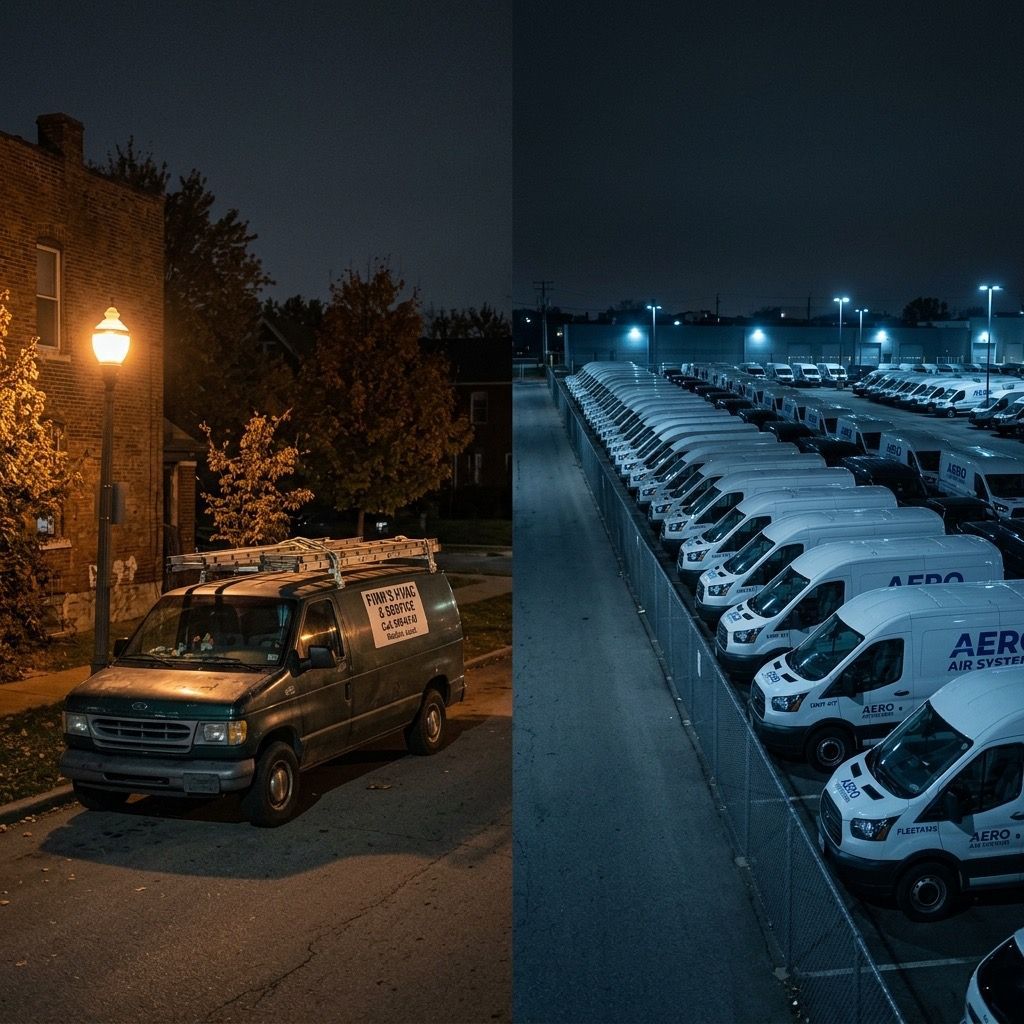
AI voice and intake tools have become the great equalizer for small service businesses. Here is how solo operators and small teams are using them to outperform franchises and regional chains.

The highest-intent service calls arrive after business hours. Here is exactly what happens to those leads, why most are never recovered, and what to do about it.
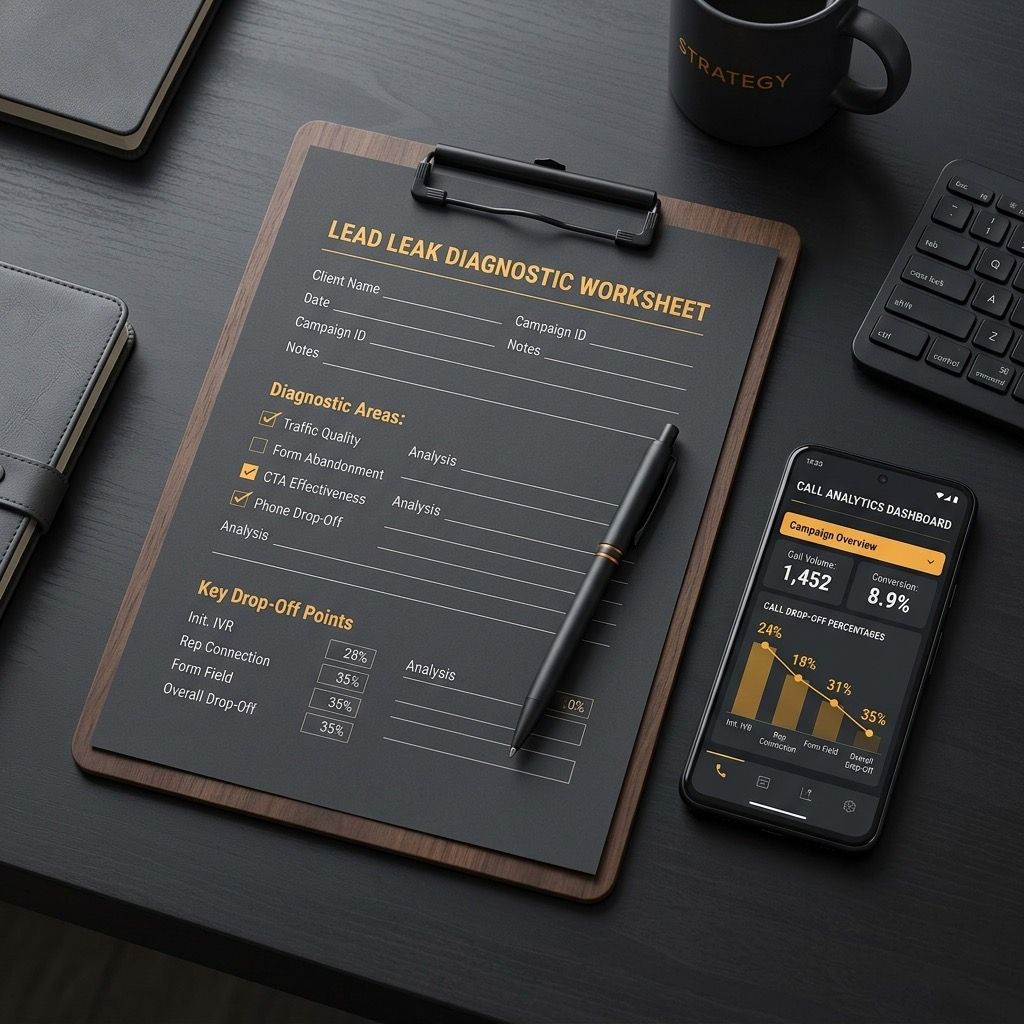
Most service businesses are not losing leads to competitors. They are losing them at the front door. This 10-question diagnostic shows you exactly where.

Missed calls are not harmless. Learn how service businesses calculate the annual revenue leak from unanswered calls, delayed callbacks, and lost buyer intent.
Compare voice AI and a part-time receptionist for service businesses: coverage, cost, consistency, booking, after-hours calls, and the real front-door math.

A practical buyer guide to starter and custom dental intake, implementation, usage, privacy, escalation, testing, and the evidence a practice should review during its first 90 days.

How service businesses can earn AI Overview citations with direct answers, author proof, Q&A structure, local entity clarity, and operational evidence.

A practical comparison of in-house reception, answering services, AI-assisted intake, and hybrid coverage for law firms that need a controlled path from first contact to professional review.

An AI front door system is more than an AI receptionist. Learn the components service businesses need: voice, SMS, CRM, booking, routing, follow-up, and reporting.

Conversational AI helps service businesses answer, qualify, route, book, and follow up across voice, SMS, and chat. Learn what it can and cannot do.
How voice AI performs across HVAC, plumbing, and electrical trades: the revenue leak, the ROI math, and what payback looks like at 30, 60, and 90 days.

Restoration Company field guide: The Restoration Company Storm-Season Intake Problem: Why Leads Call Three reviewed through response speed, booking friction

A plain-language guide for plumbing company owners who need faster response, cleaner booking, better follow-up, and a front door that keeps more high-intent demand from drifting to competitors.

Charlotte service businesses can lose local demand when calls, forms, and after-hours inquiries outpace intake capacity. Learn how to audit and fix the front door.

A plain-language guide for med spa owners who need faster response, cleaner booking, better follow-up, and a front door that keeps more high-intent demand from drifting to competitors.

A practical readiness guide for no-heat calls, after-hours response, service-area rules, dispatch handoffs, and cold-weather demand across the Indianapolis market.
HVAC Company field guide: Nashville HVAC Companies Are Losing Summer Calls to Faster Competitors reviewed through response speed, booking friction, CRM

A plain-language guide for garage door company owners who need faster response, cleaner booking, better follow-up, and a front door that keeps more high-intent demand from drifting to competitors.
Why electrical jobs are lost before the estimate, and how cleaner intake, booking, dispatch notes, and follow-up protect revenue.

You spent $350 on Google Ads to get that call. Your tech is elbow-deep in a furnace on a job three blocks away. The phone rings four times and goes to voicemail. The homeowner hangs up without leaving a message. By the time you surface to check your phone, they have already booked with someone else. This is not a bad day. For most HVAC companies doing $800,000 to $2 million in annual revenue, this is Tuesday.

A prospect calls your med spa at 6:43 PM on a Wednesday to book a Botox consultation. Your front desk closed at 5. The call goes to voicemail. She does not leave a message. By Thursday morning she has booked a consultation with a competitor who had a live voice on the other end of the line. You never knew she called. This is not an edge case. For most med spas, it is Tuesday through Sunday, every week, all year.

Service teams resist new software when tools add steps, duplicate work, and hide ownership. Learn how to reduce software fatigue and implement tools around real workflows.

Webhooks are not just technical plumbing. Learn how service businesses use automation triggers to move leads, bookings, follow-up, dispatch, and CRM work.

A CRM is not a profit engine until it changes follow-up, booking, ownership, and revenue visibility. Learn how service businesses should implement CRM workflows.

The independent courier business is an arms race measured in sixty-second increments. A law firm needs a banker's box of wet-ink trial exhibits filed at the downtown courthouse by 4:00 PM. A medical lab needs a STAT plasma bag driven to a suburban oncology center immediately. If your dispatch center puts these callers on hold, you do not just lose the delivery-you lose the account permanently. Here is how modern B2B logistics operators use Voice AI to absolutely monopolize local high-urgency routes.

A practical framework for designing prospect intake around firm-approved questions, privacy, supervision, recordkeeping, human review, and a clear handoff to qualified professionals.

Prospects hang up on robotic AI when it interrupts, over-talks, or fails to route sensitive calls. Learn how service businesses can program brand empathy into voice AI.
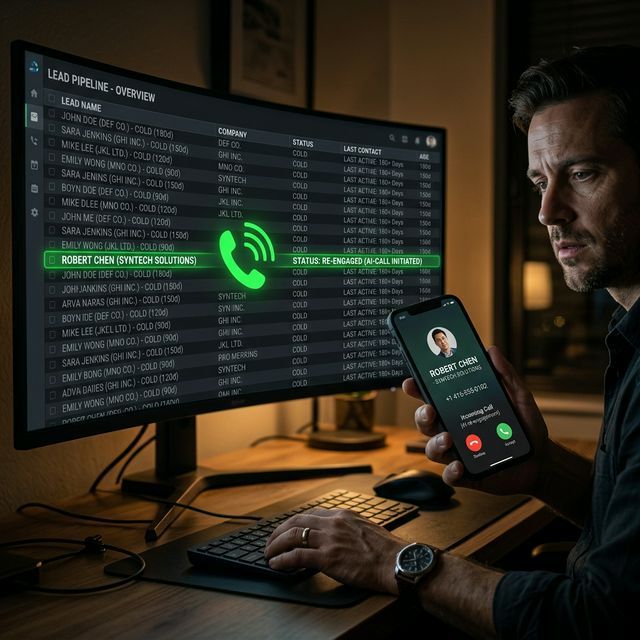
Old CRM leads are often almost-revenue, not dead data. Learn how service businesses can revive stale leads with a practical voice AI follow-up protocol.

Small service teams lose revenue when call volume spikes beyond human capacity. Learn how voice AI helps answer, triage, book, and route calls without hiring a full front desk.

Founder burnout often starts when every new lead, callback, booking, and follow-up depends on the owner. Learn how intake automation protects revenue before operations break.
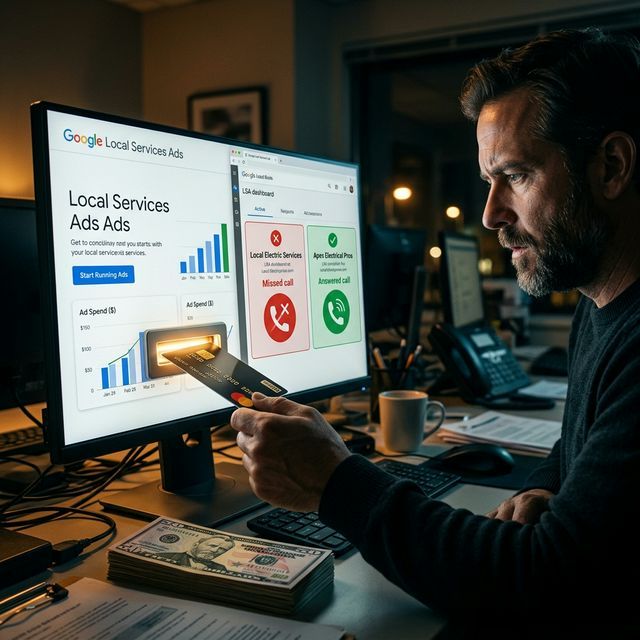
Local Service Ads can waste budget when paid calls are missed, delayed, or pushed to voicemail. Learn how voice AI protects LSA ROI for local service businesses.
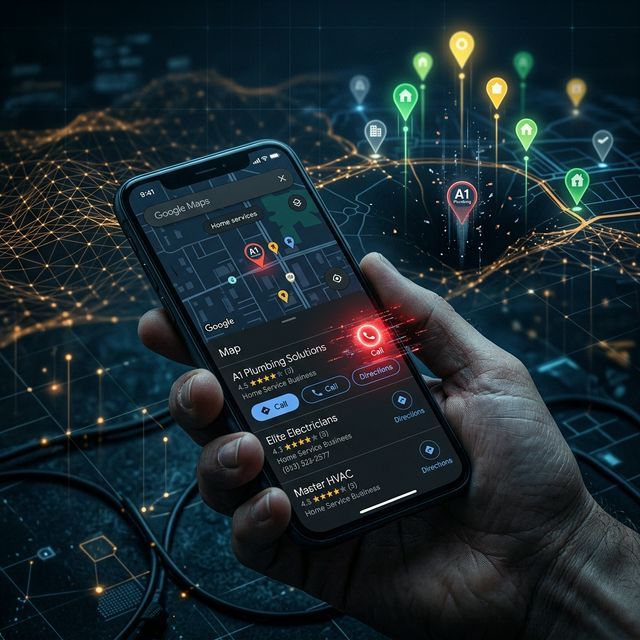
Local service businesses can lose Google Maps revenue when calls ring out, buyers call competitors, and intake data stays invisible. Learn how to audit and fix the leak.
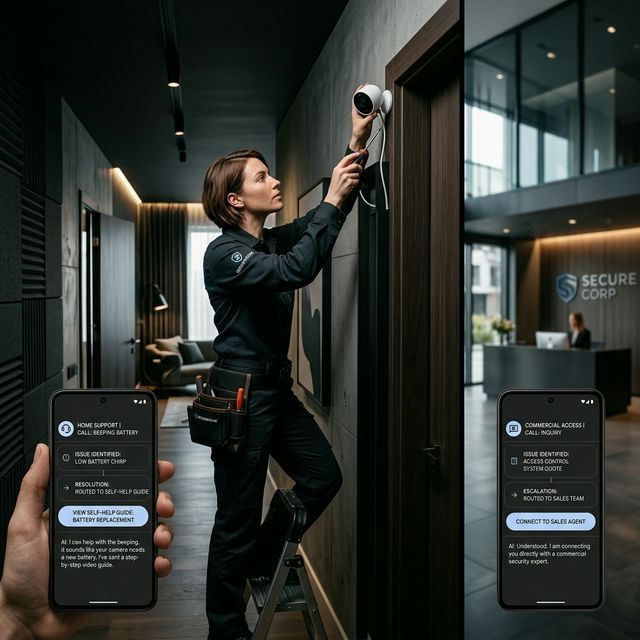
Security integration companies suffer from a unique form of operational whiplash. The same phone number that receives a call from a frustrated homeowner whose kitchen window sensor is beeping at 2:00 AM also receives calls from corporate facility directors looking to install a $150,000 enterprise access control system. If your sales engineers are stuck on the phone explaining how to change a CR2032 battery, your competitors are winning the commercial bids. Here is how modern security firms use Voice AI as a ruthless triage architect to separate the noise from the signal.
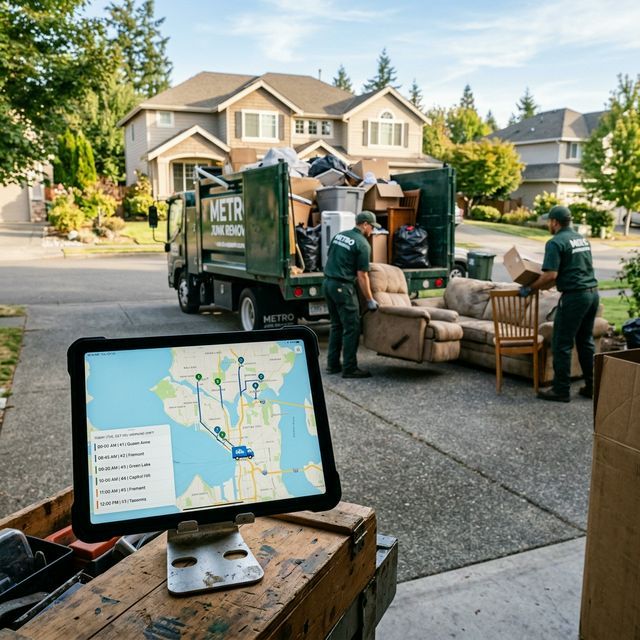
The junk removal business has the most impatient customer base in the entire home service sector. When a homeowner decides they are sick of looking at the pile of debris in their garage, or a property manager discovers a tenant abandoned an apartment, the emotional window to hire a company is roughly twenty minutes. If your phone rings and you do not answer instantly with a price and a confirmed arrival window, they call your competitor. Here is how aggressive junk hauling operators are using Voice AI to ensure their trucks never leave the yard with empty space.
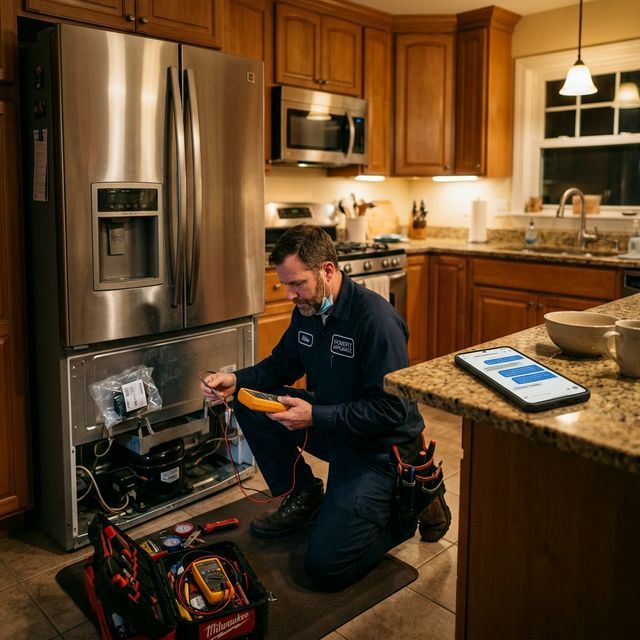
The appliance repair industry has a fatal operational flaw that destroys profit margins: the Return Trip. A technician arrives at a house, diagnoses a broken refrigerator, realizes they do not have the specific OEM relay switch on the van, and has to schedule a second visit three days later. That second visit is unbilled driving time. It halves the technician's daily revenue capacity. The crazy part? The homeowner could have provided the exact error code during the first phone call, but the front desk didn't ask. Here is how modern shops are using Voice AI to ensure technicians arrive with the right part on the very first visit.
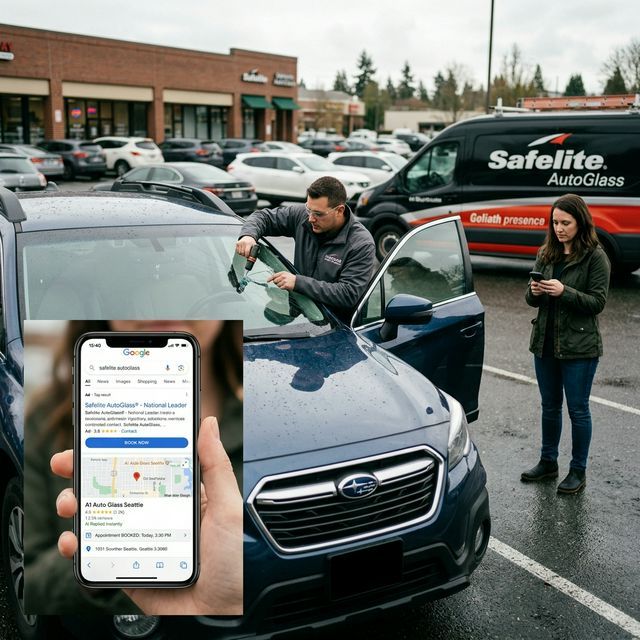
The auto glass repair industry is an asymmetrical war. On one side are massive national chains with nine-figure advertising budgets, catchy jingles, and deep insurance integrations. On the other side is the local, independent shop. But the independent shop has one massive structural advantage: agility. When a rock hits a windshield, the customer makes a hiring decision in less than four minutes. Whoever answers the phone first, verifies insurance fastest, and books the mobile van quickest wins the job. Here is how independent auto glass shops are using Voice AI to out-operate the giants at the exact moment of decision.
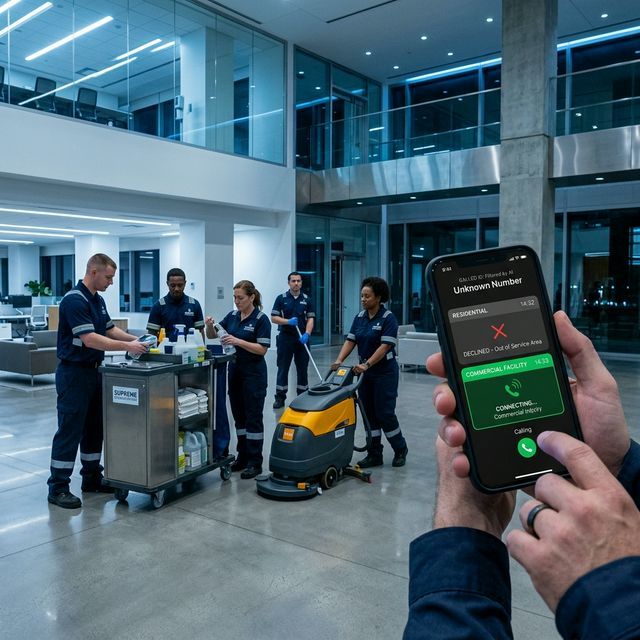
A practical framework for commercial cleaning companies that need to separate service fit, prepare walkthroughs, route urgent requests, and hand qualified contract opportunities to an accountable salesperson.
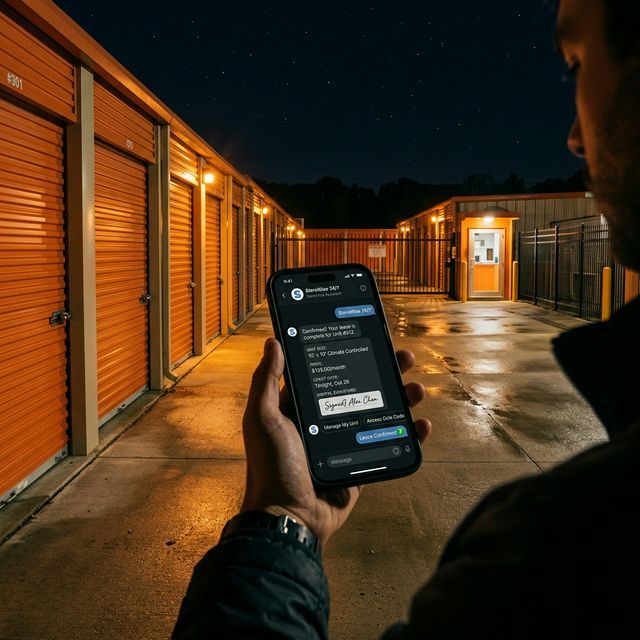
The self-storage industry has been marketed for decades as the ultimate "passive" real estate investment. Build metal boxes on concrete pads, collect checks, and go golfing. But anyone who actually owns a facility knows the dirty secret: paying a property manager $45,000 a year to sit behind a counter and hand out padlock keys completely destroys cash flow. Here is how modern facility owners are using Voice AI to eliminate the front desk entirely, run fully unstaffed facilities, and lease units 24/7.
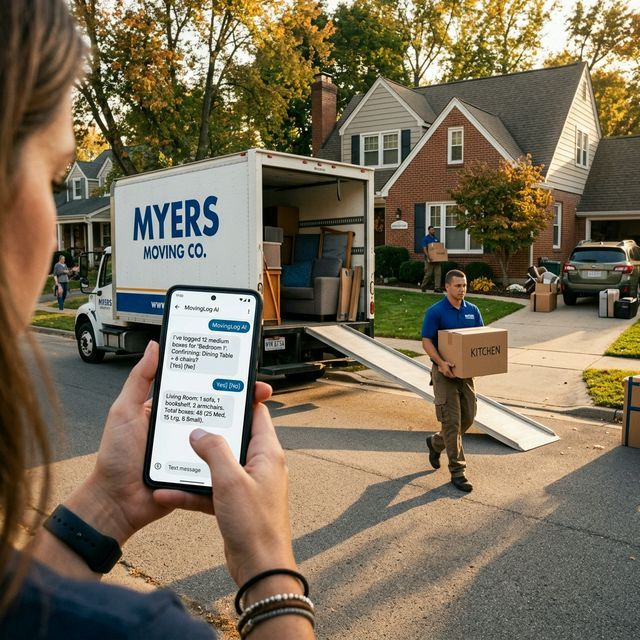
Moving day is universally ranked as one of the most stressful experiences in modern life. When a homeowner calls a moving company for an estimate, they are not just looking for a truck; they are looking for reassurance. But while customers demand empathy, moving company dispatchers are drowning in logistics, frantic truck schedules, and chaotic day-of-move changes. Here is how modern moving operators are using Voice AI to master intake, capture high-value leads instantly, and let their human teams focus on flawless execution.

Tutoring and test prep centers lose September inquiries when phones ring during peak student hours. Learn how AI intake can qualify parents, book consults, and protect directors.
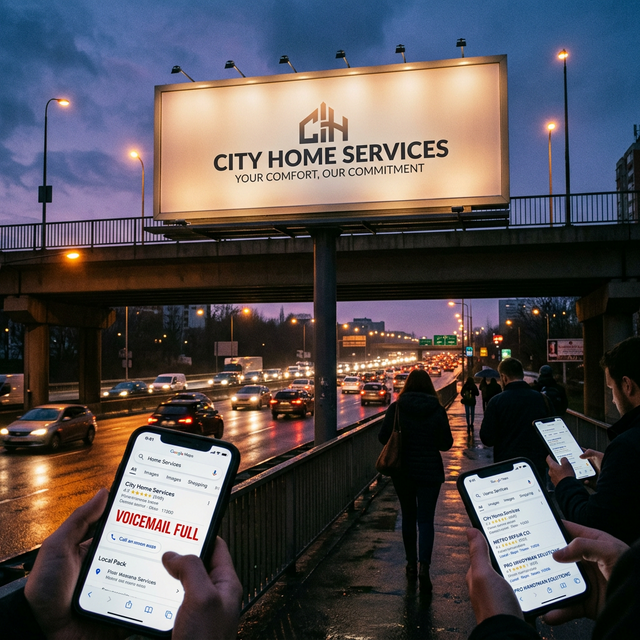
Brand awareness without intake infrastructure can send expensive demand to competitors. Learn why local service businesses should fix calls, forms, and booking before scaling awareness spend.
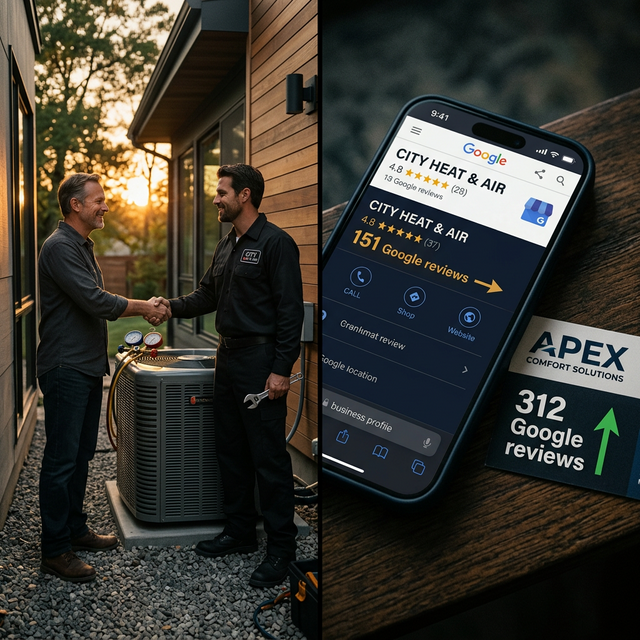
There is a number that haunts a specific type of HVAC service business. It is not a revenue target or a close rate. It is 150. The business crossed 100 Google reviews and celebrated. Then crossed 150 and waited for the next milestone. And kept waiting. A year later, they are at 161. A competitor across town who launched three years after them just crossed 300. This is not a marketing problem. It is a front door problem. And the solution lives in the same place where the business is already losing revenue: the post-job moment.
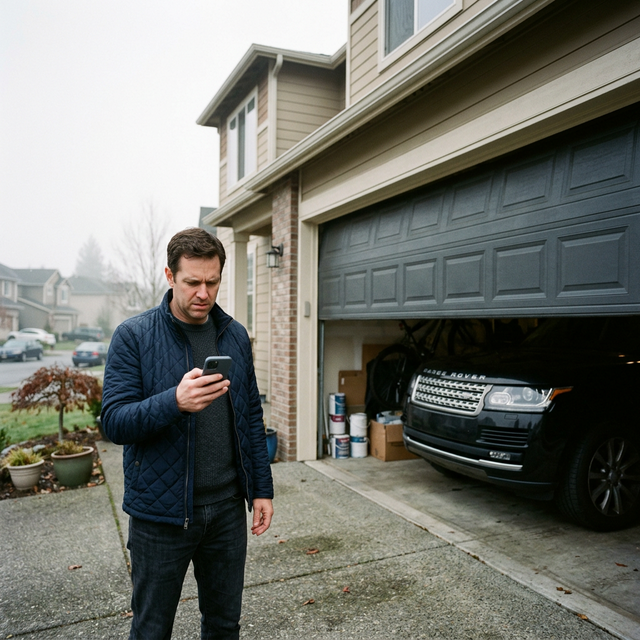
When a broken torsion spring traps a car in the garage at 7 AM, the homeowner does not care about your brand. They care about who answers the phone first. This is how you win the hostage situation.

Your best crew is your biggest liability when a storm rolls through. Here is why the tree service companies winning the storm surge have automated their front door.
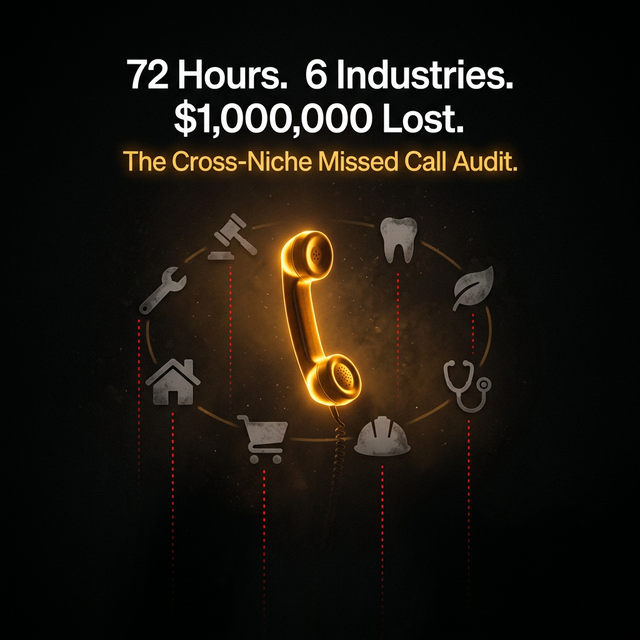
Missed calls cost different service businesses in different ways. See how to calculate missed-call revenue loss across HVAC, plumbing, restoration, legal, dental, and electrical businesses.
A practical method for measuring response, intake completion, attorney review, consultations, and handoffs after hours without relying on invented case values or generic conversion claims.

In the world of plumbing, a ringing phone isn't just a lead. It is a live auction for a high-ticket job. When a homeowner has water pouring through their ceiling at 2 AM, they don't look for the best brand. They look for the first person who answers and says 'We are on our way.' If you rely on a manual office team or a slow answering service, you are losing 85% of your emergency plumbing service leads to the competition. By installing Voice AI for plumbers, you can win the battle of dispatching before the customer even hangs up.
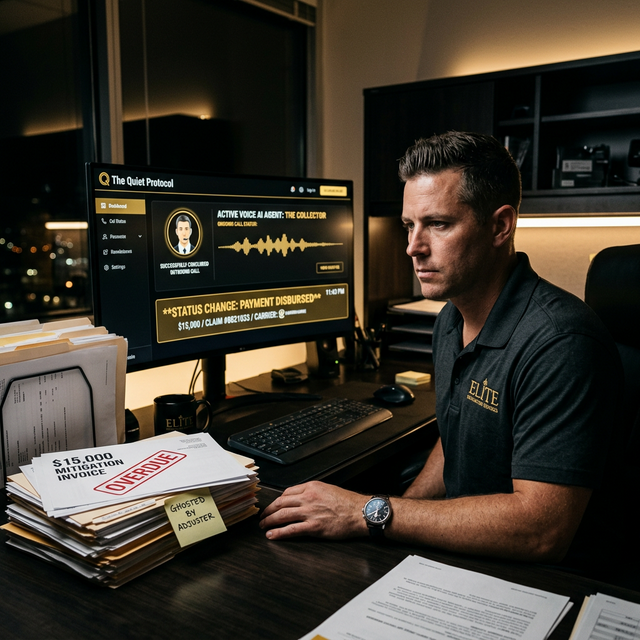
Managing accounts receivable is the least 'heroic' part of the restoration industry, yet it's the single factor that determines whether your company survives a busy storm season. When insurance adjusters ghost your office and $15,000 mitigation invoices stretch past the 90-day mark, it isn't a lack of money that kills your business - it's a lack of outbound persistence. By automating the 'lien letter loophole' through Voice AI follow-ups, restoration owners can force payment resolution without adding to their administrative overhead.

There is a fundamental psychological divide between residential and commercial roofing. Residential is high-volume, emotional B2C storm chasing. Commercial roofing is calm, institutional, and relentlessly B2B. When a regional real estate portfolio director calls at 11 AM on a Tuesday to request an inspection on a 50,000 square foot logistics warehouse, they expect to interact with a highly sophisticated corporate headquarters. If the local roofing owner answers that call from a windy ladder, screaming over the sound of an idling diesel truck, the $200,000 contract is instantly jeopardized. In 2026, the elite local commercial roofers are defeating private-equity-backed national franchises by deploying advanced AI intake systems to create a flawless, enterprise-grade first impression during peak business hours.

A practical guide to confirming service fit, investment range, event complexity, and consultation readiness without making a premium inquiry experience feel cold.
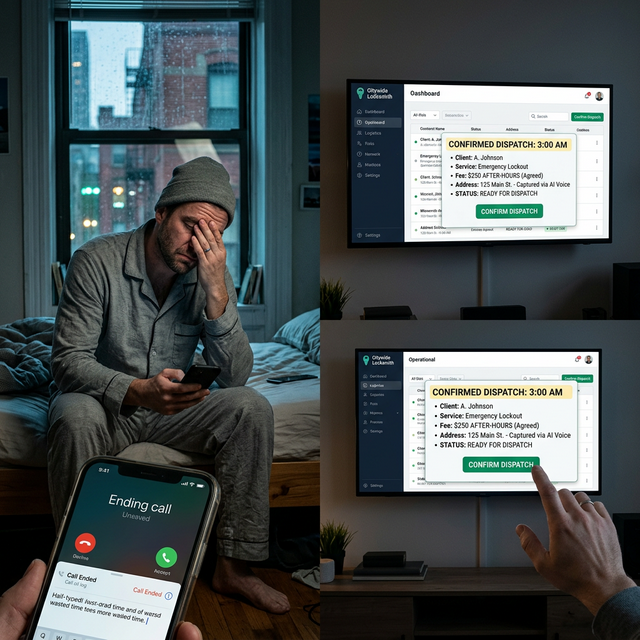
The local locksmith industry operates on a punishing 24/7 schedule where the highest-margin jobs arrive at the absolute worst times. When a desperate driver calls at 2:30 AM locked out of a running vehicle, the local locksmith owner is usually asleep. If that owner wakes up to answer the call, the majority of the time they spend five minutes arguing with a drunk or panicked caller about the mandatory $250 emergency dispatch fee, only to have the caller hang up. The owner loses an hour of sleep for zero dollars. In 2026, defeating the national lead-gen 'ghost locksmith' call centers requires an AI Surcharge Gatekeeper: an intelligent system that answers instantly, secures the premium fee arrangement, captures the exact location coordinates, and only breaches the owner's sleep cycle when guaranteed revenue is waiting.
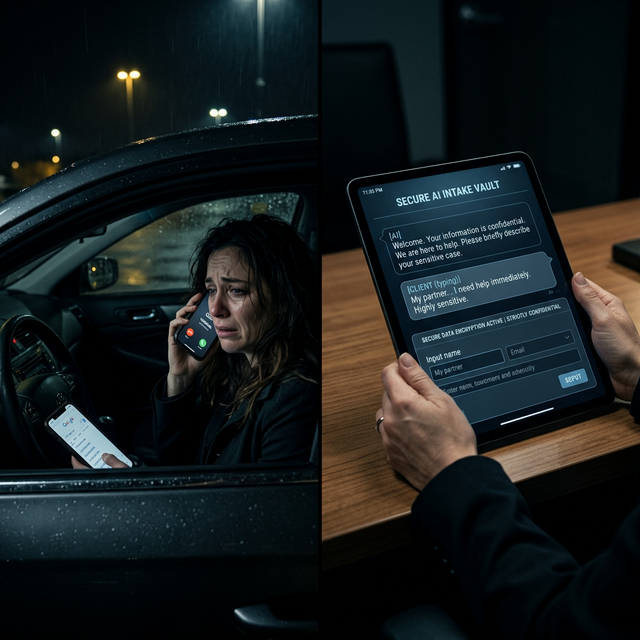
Private investigator calls are high-discretion, high-emotion, and often after hours. Learn how AI intake can capture inquiries safely without replacing investigator judgment.
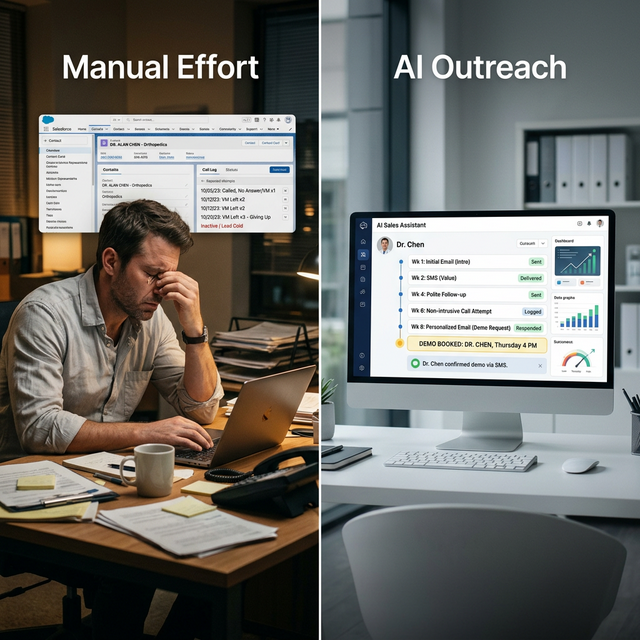
The medical tech sales model is breaking under the weight of 2026 clinical realities. Physician burnout, private equity clinic consolidation, and the permanent closure of the "drop off donuts at the front desk" access loophole have made the traditional sales development playbook obsolete. A human sales development representative (SDR) calling a specialist clinic will invariably leave three voicemails over eight days, feel intrusive, assume rejection, and mark the lead cold in Salesforce. The doctor was not rejecting the product. The doctor was simply seeing thirty-two patients a day and ignoring all unrecognized numbers. The difference between a booked demo and a cold lead in medtech sales is no longer the pitch - it is the stamina of the outreach.

The economics of chiropractic new patient acquisition have never been more favorable. Tech neck, remote work posture damage, and an aging population are driving first-visit volume to record levels in 2025 and 2026. The problem that is quietly destroying the economics of this patient volume surge is not the acquisition. It is the drop-off. The majority of patients who take advantage of a new patient special or free adjustment never return for a second visit - not because the adjustment did not help, not because they disliked the clinic, but because the 24-hour window immediately following that first visit - the single moment when they were most emotionally open to committing to a care plan - passed without the clinic reaching out. A clinics automated nurture system either captured that window or surrendered it.

Cosmetic procedure demand in 2025 and 2026 has reached historic highs. Post-pandemic, the category of elective aesthetic investment has normalized across income brackets that were previously not in the market. The demand exists. The prospects are searching. What the research on high-ticket cosmetic intake consistently shows is that the loss is almost never happening at the surgeon quality level - it is happening at the first contact point, in the first ninety seconds of an inquiry, when a called-on-hold prospect or a cold clinical voice produces the friction that sends a $12,000 rhinoplasty inquiry to a competitor. The plastic surgery clinic that has solved intake has solved the most solvable problem in its revenue stack.
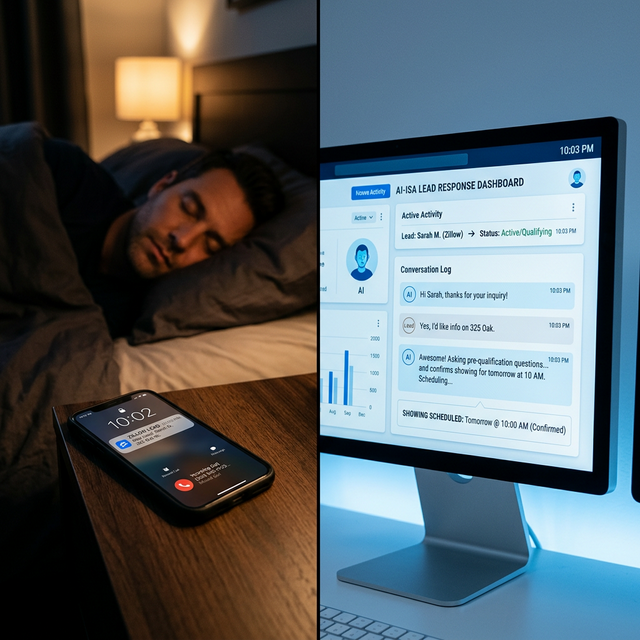
The research on real estate lead response is unambiguous and has been replicated across hundreds of studies. A prospect who submits an online inquiry and is contacted within five minutes is eight times more likely to convert than one contacted thirty minutes later. A prospect contacted on Monday morning for a Sunday night submission is, for the majority of brokerages, already lost. The math of online lead conversion in real estate is not complicated - it is just brutally unforgiving, and it operates equally aggressively at 10 PM on a Sunday as it does at 2 PM on a Tuesday. Most real estate brokerages are built for 2 PM on a Tuesday.
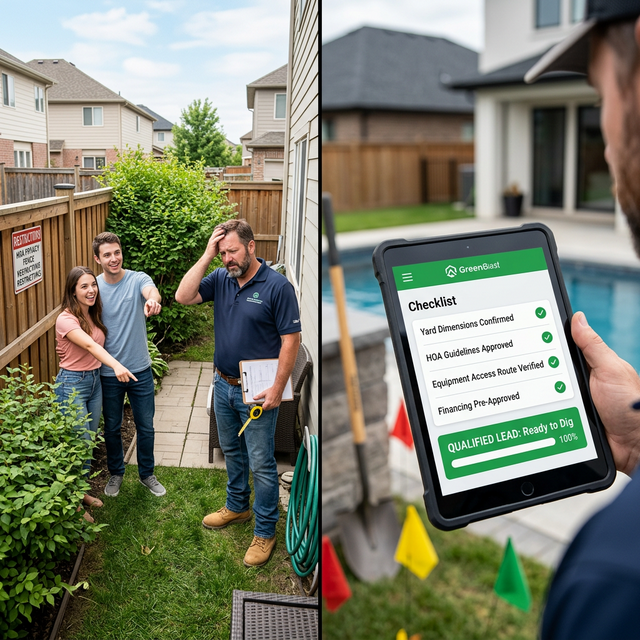
The pool installation business has a very specific site visit problem. Unlike most home service companies where a consultation is relatively low-cost, a pool site assessment is a multi-hour investment requiring a senior estimator, measuring equipment, and sometimes a structural engineer. When that site visit happens on a lot that the HOA prohibits from having a pool, or for a homeowner whose financing conversation reveals they expected a $15,000 project and yours starts at $55,000, the cost is not just the afternoon. It is the spring slot that a qualified buyer needed and did not get because the schedule was full of Dreamers.

The custom home building sales cycle is not measured in days or weeks. It is measured in seasons. A family that begins their land search in January may not be ready to sign a construction contract until November - if the builder who served them in January is still in their mind by October. The Leaky Bucket problem in custom home building is this: builders invest enormous time and expertise in early-stage prospects, then fail to maintain the relationship across the long middle of the buyer journey where the actual decision gets made. A competitor who touches the prospect at Month 8 with a perfectly timed follow-up often wins the contract that a superior builder earned in Month 2.
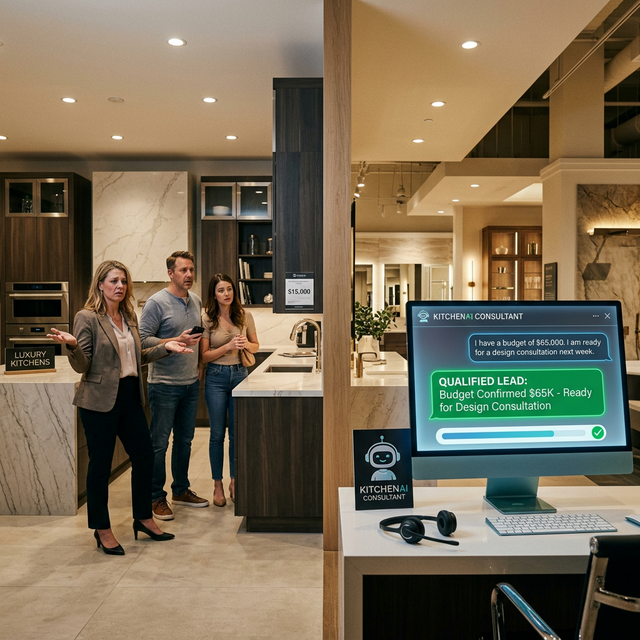
A kitchen remodeling designer's most valuable and least renewable resource is not their portfolio or their vendor relationships. It is their Saturday. The moment a design-build remodeling company begins scheduling back-to-back showroom visits without pre-qualifying the prospect's budget, timeline, and decision-making authority, they have built an engine that converts designer time into free home renovation consulting for people who will spend $12,000 at a big-box store instead of $65,000 with your firm. The Polite AI Interrogation is the system that stops that conversion before it starts.
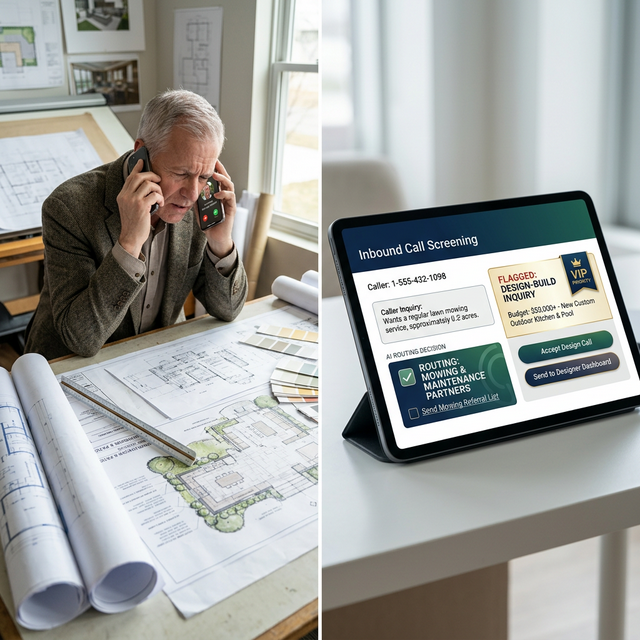
The design-build landscaping firm is not a lawn care service. It is an architecture firm that works with soil and stone. But the phone does not know that. Every spring, the same cycle repeats: a premium hardscape company spends thousands per month on local SEO and beautiful portfolio photography, only to have their senior designer spend 40 minutes a day fielding calls from homeowners who want a quote on mowing their quarter-acre lot. Every mowing call answered is a design-build proposal not written. Every maintenance quote given is a $50,000 outdoor kitchen conversation that never happened.
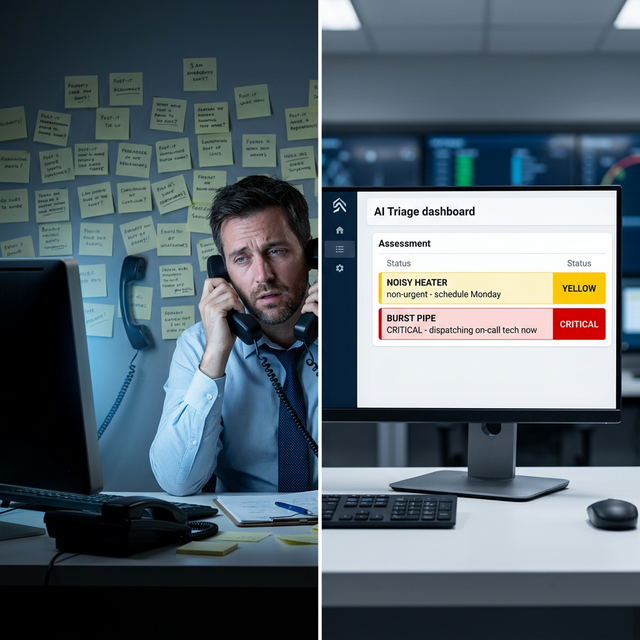
At 3:17 AM, a tenant in Unit 4B calls to report that the building is making a loud banging sound from the basement. That call will be routed to someone - a bleary-eyed property manager on their personal cell, a live answering service that reads from a script, or an intelligent AI system capable of asking the diagnostic questions that determine, within sixty seconds, whether this is a costly nuisance or a building-destroying emergency. The difference between those three outcomes is measured in liability exposure, on-call contractor invoices, and tenant retention. The property manager who cannot triage the 3 AM call accurately is perpetually exposed on all three fronts.
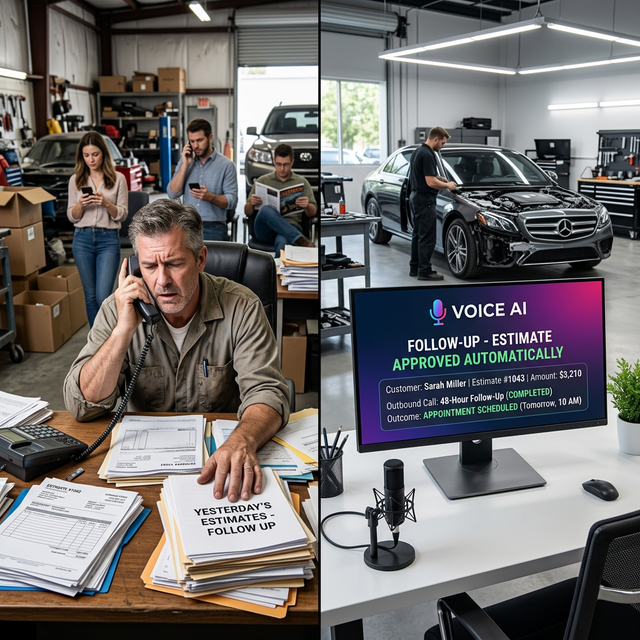
The collision repair industry has accepted 'shop-hopping' as an unavoidable reality of the business. An estimator spends 45 minutes walking around a damaged vehicle, writes a $4,500 quote, hands it to the customer, and then never speaks to them again. Two days later, a competitor wins the job for $4,700 - not because they were cheaper, but because they were the only shop that actually picked up the phone to ask for the business. The 48-hour follow-up gap is the single largest revenue leak in the modern auto body shop, and fixing it requires outbound automation.

SMS automation is useful for confirmations and reminders, but it cannot handle every intake moment. Learn when service businesses need voice AI instead of more text automation.
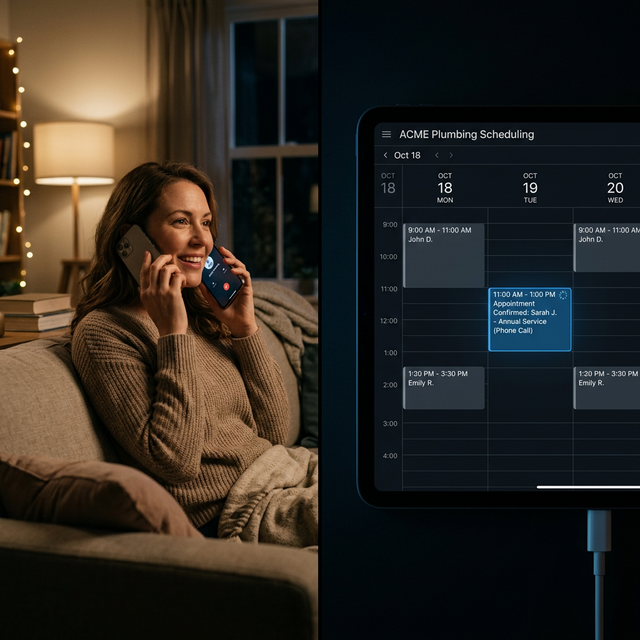
Phone tag quietly kills service business bookings. Learn how to move an inbound call to a confirmed calendar appointment quickly without creating scheduling chaos.

Bad lead quality is not always the problem. Many service businesses lose paid leads because callbacks are slow, after-hours intake is weak, and follow-up is inconsistent.
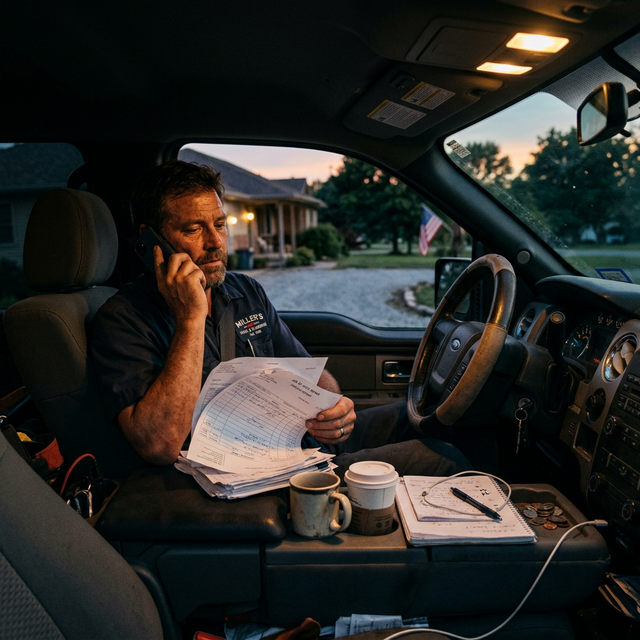
AI voice cloning for service businesses should mean cloning the owner's intake judgment, not impersonating their voice. Learn how to scale call handling without losing the founder's standards.

How premium service businesses can automate AI intake, booking, CRM notes, and follow-up while keeping human judgment for high-trust sales conversations.

After-hours callers are often the highest-intent buyers in a service business. Learn how to calculate the leak, triage calls, and protect revenue without burning out staff.

At some point in the last decade, you have called a business, heard a recorded menu, and felt a specific frustration that is difficult to articulate but instantly recognizable. It is the frustration of wanting help and being handed a list. Of being asked to sort yourself before anyone has decided whether you are worth sorting. Interactive Voice Response systems, known as phone trees or IVR, were built to produce exactly that experience. And there are service businesses spending money on Google Ads right now routing the leads those ads generate into a system engineered to make people want to hang up.

At around $5M, service businesses often outgrow personality-driven sales. Learn why owners are replacing aggressive closer culture with consistent AI-supported intake systems.

The Revenue Leak Diagnostic shows how much revenue a service business loses after buyers already tried to contact it. Learn how to calculate sales friction across calls, forms, callbacks, and follow-up.
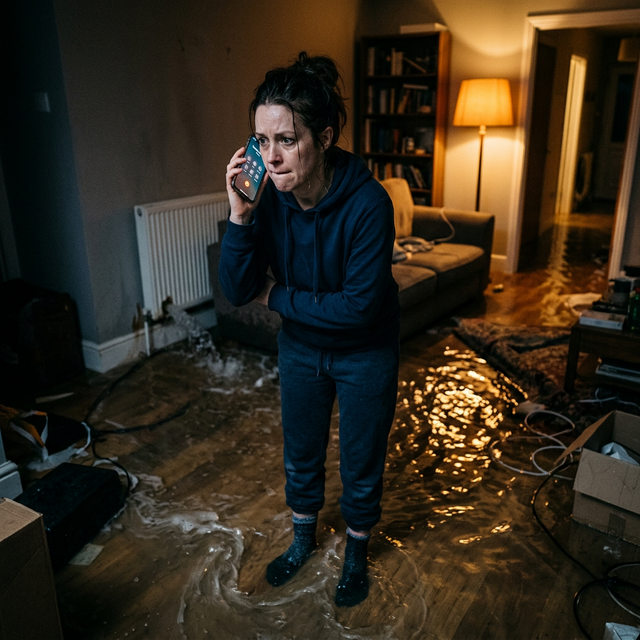
Speed to lead only measures how fast a business responds. Resolution speed measures how fast the buyer gets a real next step. Learn how service businesses should measure intake in 2026.

There is a pattern that repeats across HVAC and home service companies with uncomfortable consistency. The business builds momentum in its early years, collects reviews at a healthy rate, crosses 100 Google reviews, and then slows to a trickle. By the time the owner notices, the business has been sitting at 140 or 160 reviews for 14 months while a competitor who launched two years ago has just passed 300. The business owner tries new review platform features, sends reminder emails, reminds the office manager to follow up. Nothing moves. This is the review cliff. And the reason it happens has almost nothing to do with reviews.

After-hours maintenance calls shape tenant trust long before renewal season. Learn how property managers can triage calls, protect renewals, and reduce tenant frustration.
A practical operating guide for responding to urgent dental inquiries, protecting clinical boundaries, and giving the team a workable same-day decision path.

The person calling a home health care agency is almost never the person who needs care. They are the adult daughter who just got a call from the hospital that Dad is being discharged Friday. They are the son who drove two hours after Mom fell and realized for the first time that the situation at home is no longer safe. They are calling from a parking lot, or a hospital corridor, or an airport gate. They are not comparison shopping. They are solving a crisis. The agency that answers, demonstrates competence in the first 90 seconds, and provides a clear path forward wins the case. The agency that sends them to voicemail loses a client worth $48,000 in annual revenue to a competitor who did pick up.
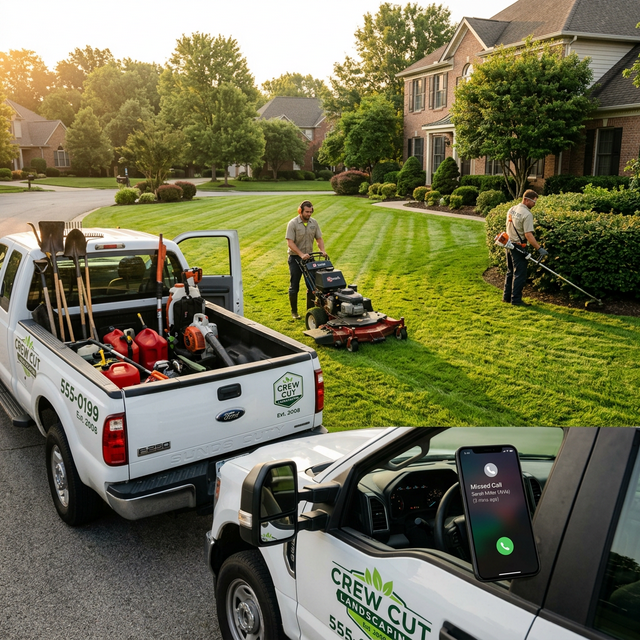
There is a cruel irony at the heart of every growing landscaping service business. The days your crew does the best work, the days the lawns look perfect and the neighbors stop to watch, are the days you miss the most incoming calls. The owner is on a mower. The foreman is running a trimmer. The phone rings, nobody answers, and the neighbor who just watched your crew transform the property hires your competitor because your competitor picked up. This is field blindness, and it is the most expensive problem in lawn care.

The first-session no-show is the most misunderstood problem in private practice management. Most therapists attribute it to client ambivalence, cost concerns, or embarrassment about seeking help. Research suggests a different cause: the intake process itself. The 72-hour window between a prospective patient's initial outreach and their confirmed first appointment is where most first-session attrition occurs, and it is almost entirely controllable through intake design.
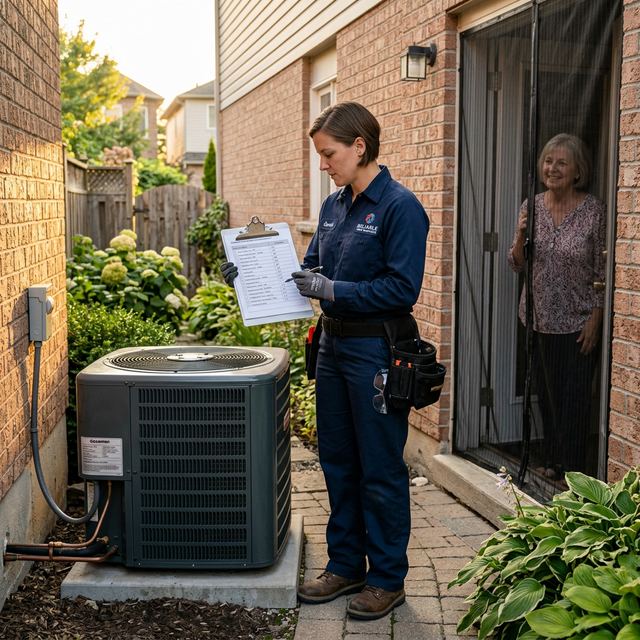
An HVAC maintenance agreement client is worth three times more over their lifetime than a one-time service customer. They refer more, complain less, and are statistically the safest harbors in a volatile seasonal business. They also lapse at a rate of 55 to 65 percent annually at most HVAC companies, and almost none of those lapses happen because the client chose to leave. They happen because nobody called.

Missed calls do not show up on the P&L, but they can quietly cost service businesses six figures. Learn how to calculate the leak and decide if AI-first intake makes sense.
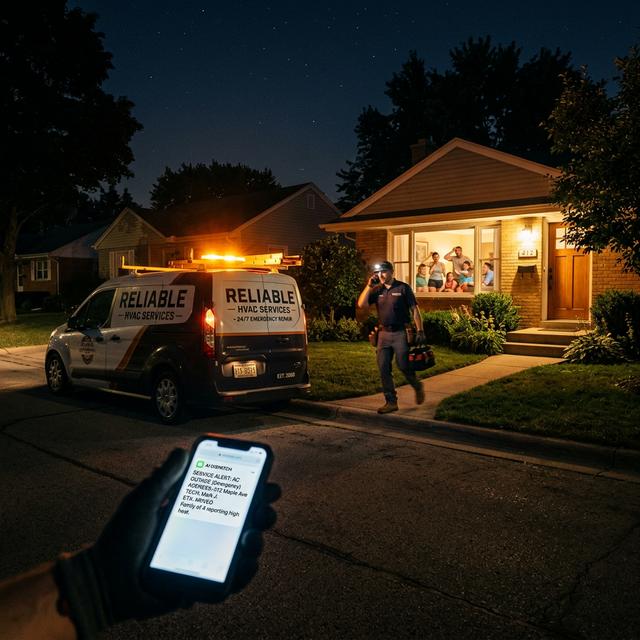
An AC failure at 8 PM in July is not a scheduling problem. It is a medical situation for vulnerable households, and it is the highest-value call your HVAC service business will receive all week. The company that answers it closes the job. The company that sends it to voicemail gives that job to a competitor who does answer. AI voice systems changed that equation permanently in 2025, and the HVAC operators who deployed early are now compounding the advantage.

Service businesses are not replacing good receptionists with AI. They are replacing voicemail, overflow gaps, after-hours silence, and inconsistent intake.

Family law is the only legal practice area where the prospective client is calling from inside a crisis. They are not comparing options. They are looking for the first attorney who sounds like they understand what is happening. The firm that answers and handles the first 90 seconds correctly closes the consultation. The firm that does not loses a matter worth $20,000 to a competitor who did.

Law firms have the highest client lifetime value of any service business. They also have the most legally complex intake obligations. When the phone goes unanswered at a law firm, the damage is not only a lost case. It is a lost referral relationship, a privilege risk, and often, a competitor intake that closes within the hour.

Chiropractic is the most referral-driven profession in healthcare. The new patient who calls your clinic was, in most cases, sent there by someone who already trusts you. When that call goes to voicemail, it is not a missed appointment. It is a broken referral chain that cost you nothing to build and everything to lose.
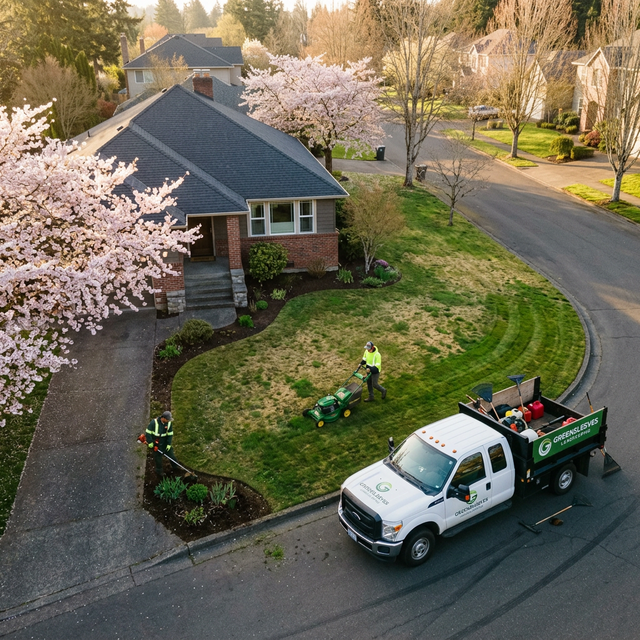
The homeowner who decides who cuts their lawn in 2026 makes that decision in February or March, not in May. By the time the grass is growing too fast to ignore, the best lawn care routes are full. The landscaping and lawn care businesses that dominate their market every summer are not better at marketing in April. They are better at capturing intent in February and converting it into booked seasonal agreements before the surge arrives.
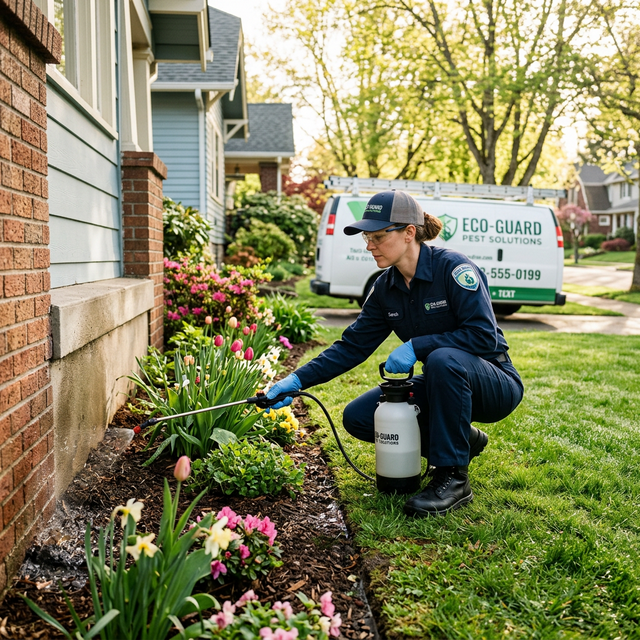
In the pest control industry, more than 40 percent of annual residential service agreements are initiated between March and May. The pest control business that captures the most inbound calls in April does not just have a strong month. It locks in recurring contract revenue for the entire year while competitors are still trying to answer their phones. Here is how to build the intake infrastructure that wins the spring surge before it arrives.

An electrical emergency is one of the few home service situations where a prospect does not comparison shop. They call the first electrician they find, and if that call is answered, they book. If it is not, they call the next number immediately. This is the highest-winner-takes-most scenario in the trades, and the electrician who answers first does not just win the job - they win it at full price.
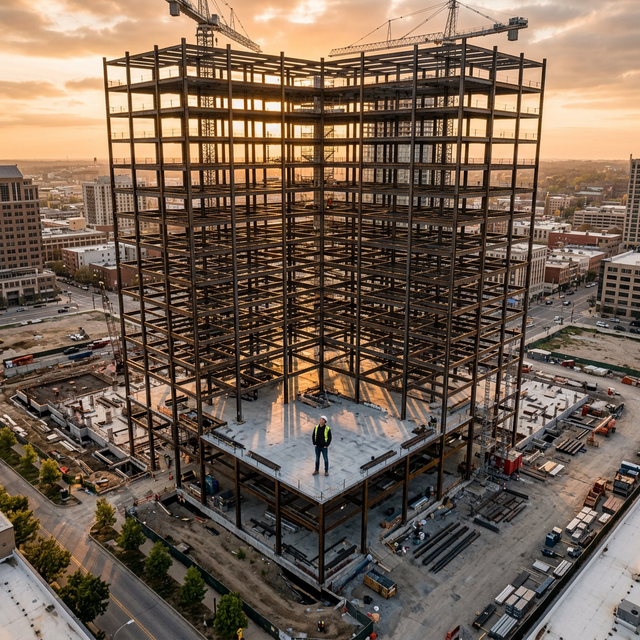
The difference between a $2M and $10M service business is often front-door infrastructure: call capture, missed-call recovery, intake, omnichannel response, reactivation, and measurement.
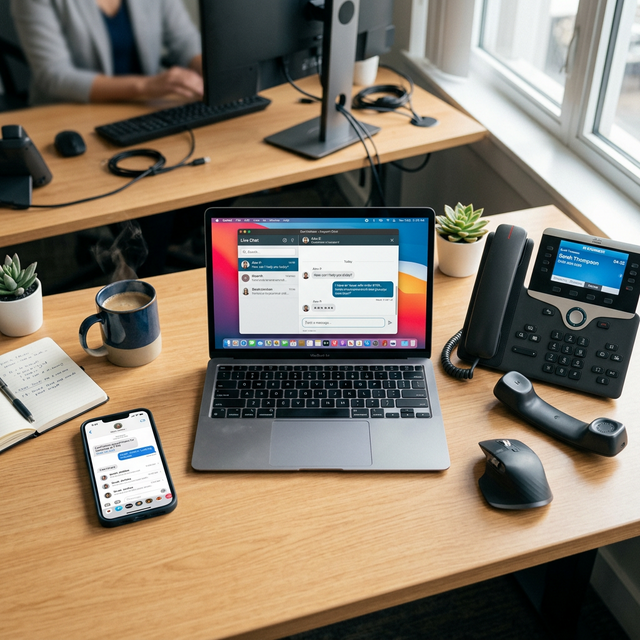
Service business buyers do not all call. Learn how phone, text, and chat work together as one intake system instead of three disconnected inboxes.

Many service business Google Ads campaigns fail after the click. Learn how missed calls, slow intake, weak landing pages, and after-hours gaps waste paid demand.

Clean the records, define permission, segment by relationship, prepare the response path, and measure completed work before scaling outreach.

Run a 15-minute Revenue Leak Diagnostic for your service business. Score after-hours calls, missed-call recovery, form response, reviews, and booking friction.
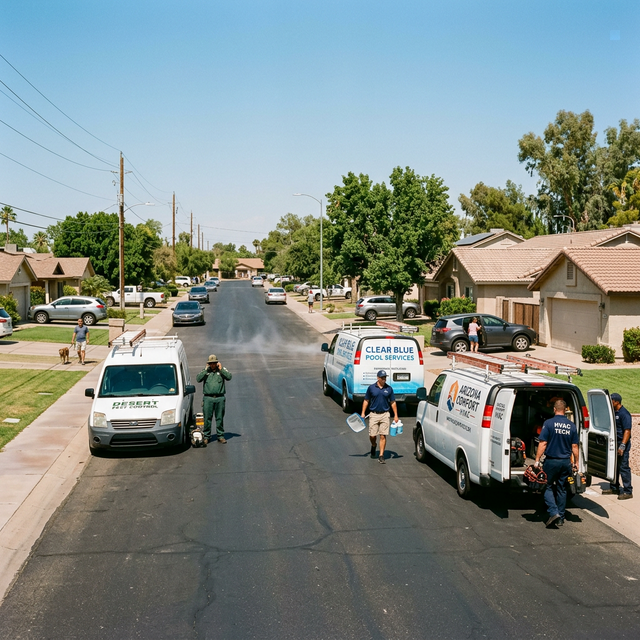
Between Memorial Day and Labor Day, the typical home service business receives two to three times its normal inbound call volume. Most handle it by working longer hours and apologizing to customers. The companies that capture their full share of summer revenue built systems before June that made the surge manageable. This is how they did it.

Spring is the single most concentrated revenue window in the service business calendar. Five industries will collectively generate over $200 billion in service demand between March and June. Most of that revenue will be captured by the businesses that answer the phone. Here is what the data says about where the money is going in 2026, and which operators are positioned to lose it.

Voice AI can help small businesses answer calls, qualify leads, and recover missed revenue. Here is what works in 2026, what fails, and how to evaluate it.

A practical way to calculate empty-chair loss, find the weak handoff, improve reminders and rescheduling, and recover missed appointments.

A first-party audit for checking the phone, voicemail, Google profile, website, form response, routing, and promised next step customers actually experience.

When a hailstorm or severe wind event hits, a local roofing company will see its call volume spike by 600% overnight. The companies that capture the most revenue are not the ones with the best marketing. They are the ones whose operational infrastructure does not break when the phone rings 50 times an hour.
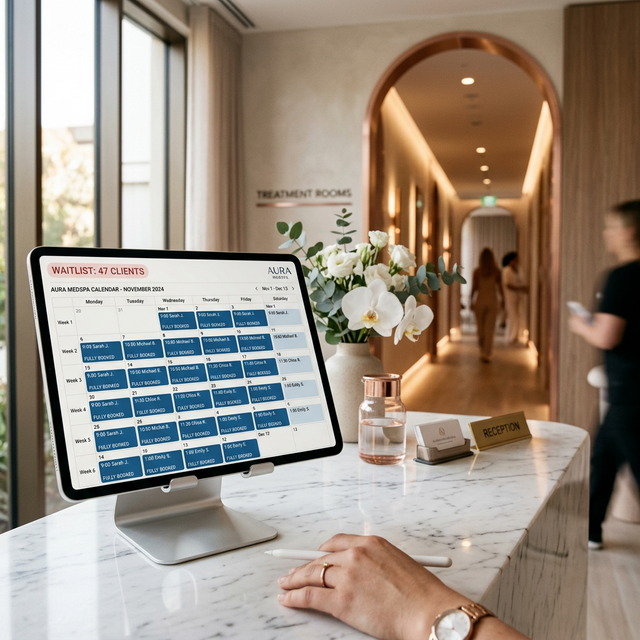
Most medical spas treat their waitlist as a passive courtesy list. The elite aesthetic clinics treat it as the most valuable revenue asset in the practice, executing a systematic activation protocol that converts waitlisted patients into booked appointments within 72 hours of a cancellation.

Restoration companies lose between $200,000 and $530,000 per year to after-hours voicemail. Here is the math on overnight call abandonment and how to close the gap.

Most service business callers will not wait for voicemail. Learn why voicemail quietly creates six-figure revenue leaks and how to replace it with real intake.
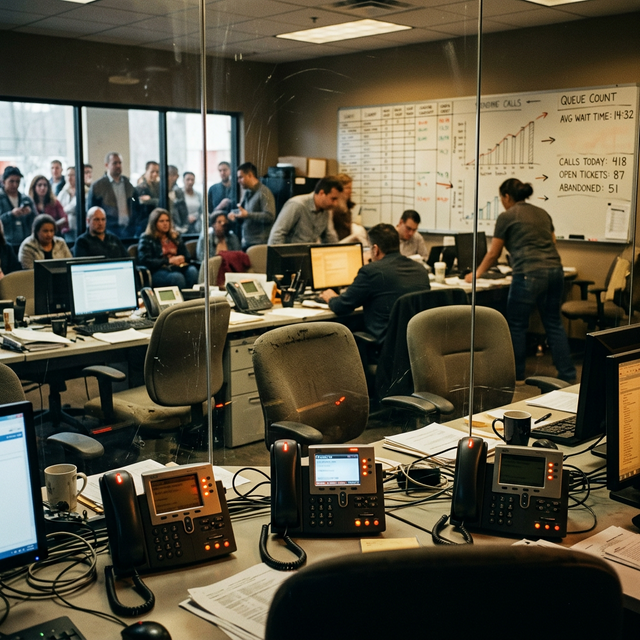
Many service business calls never reach a real next step. Here are the five silent signals that predict missed calls, lost bookings, and invisible revenue leaks.
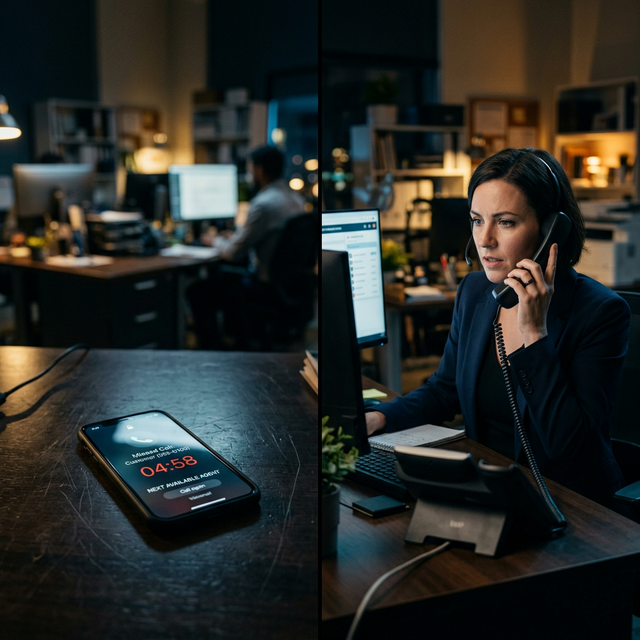
The five-minute lead response rule matters because buyers keep moving. Here is how service business owners should apply it to calls, forms, chats, and missed leads.

A spring demand guide for waterproofing companies: missed-call capture, AI receptionist coverage, inspection booking, CRM notes, and follow-up.

When a pipe bursts or a drain backs up at 11 PM, the homeowner calls three plumbers in a row. The first plumber to answer and confirm availability gets the job. The other two get a voicemail callback that never comes.

How CPA and accounting firms can separate client status questions, new-client fit, secure document requests, and deadline-sensitive calls without making partners the switchboard.

A service business that responds slowly to inbound inquiries loses buyers to whoever answers first. Here is the speed-to-lead math and how to close the gap.

If you don't respond to a PI inquiry within 5 minutes, conversion drops by 400%. Why expensive ad campaigns fail when the intake team goes home.

When an AC unit fails in July, the homeowner wants a truck dispatched, not a callback tomorrow. Here is the math behind why HVAC companies consistently lose mid-summer revenue despite full schedules.

How restoration companies can capture water-damage calls, identify safety and urgency signals, route trained people, set accurate expectations, and audit the handoff.

In emergency services, the first company to answer wins. Not the best company. Not the cheapest. The fastest. Here is the math that proves it.

It is not a traffic problem. Many service businesses lose revenue because the front door breaks before the buyer reaches a real conversation.